PN vs PDRN: What's the Difference and Which Should You Use?
Both are polynucleotide-based. Both appear in aesthetic skin booster formulations. But PN and PDRN are not the same thing — and understanding the distinction helps clinicians and clients make better protocol decisions.
The Terminology Problem
One of the most common sources of confusion in aesthetic skincare is the interchangeable use of "PN" and "PDRN" to describe polynucleotide-based products. In clinical literature and regulatory documentation, these terms have specific meanings. In marketing contexts, they are frequently used loosely — creating confusion about what a given product actually contains and what biological effects it can be expected to produce.
Clarifying these terms is not a matter of academic precision — it has direct practical implications for product selection and protocol design.
What PDRN Is
PDRN — Polydeoxyribonucleotide — is a highly purified, short-chain polynucleotide with a defined molecular weight range, typically between 50 and 1,500 kilodaltons. It is extracted from salmon sperm DNA through a patented extraction and purification process that removes all proteins and immunogenic material, leaving a biologically active polynucleotide chain of defined purity and chain length.
The specific molecular weight range of PDRN is not arbitrary — it reflects the chain length at which polynucleotides have been documented to most effectively activate purinergic A2A receptors. This receptor binding is the primary mechanism through which PDRN exerts its anti-inflammatory, pro-regenerative, and vasculogenic effects. PDRN is therefore a precision-defined molecule with a specific mechanism of action and a substantial body of clinical research supporting its use.
What PN Is
PN — Polynucleotide — is a broader term referring to any long-chain DNA or RNA fragment. In aesthetic skincare contexts, PN typically refers to longer-chain polynucleotide preparations that may not fall within the specific molecular weight range of PDRN, but which share many of its biological properties — including nucleotide supply through the salvage pathway and some degree of purinergic receptor interaction.
PN preparations may also be derived from different sources than the salmon DNA used in PDRN — including plant-based DNA sources and other marine organisms — though salmon-derived PN remains the most widely used in clinical aesthetic applications due to its established safety profile and compatibility with human tissue biology.
In practical terms, PN is a broader category that includes PDRN as a subcategory. All PDRN is PN, but not all PN is PDRN.
Key Differences in Practice
The most meaningful differences between PDRN and broader PN formulations come down to four areas: chain length, receptor binding, research base, and concentration standards.
On chain length, PDRN is precisely defined — falling within a molecular weight range of 50 to 1,500 kilodaltons. This specific chain length is not incidental; it reflects the range at which polynucleotides have been documented to most effectively bind to A2A receptors. Broader PN preparations have variable chain lengths, which means their receptor-binding activity may be less consistent — though longer chains compensate by providing greater nucleotide supply through the salvage pathway.
On receptor binding and anti-inflammatory action, PDRN has the stronger and more extensively documented track record. Its A2A receptor activation and resulting anti-inflammatory, vasculogenic, and tissue-regenerative effects are supported by a substantial body of peer-reviewed clinical literature. Broader PN formulations share these properties but with a less exhaustive research base — though the body of evidence for PN more generally is growing steadily.
On concentration, PDRN products typically state their concentration in ppm (parts per million), with clinical formulations ranging from 5,000ppm to 30,000ppm. This standardisation makes it easier to compare products and assess whether a given formulation contains a clinically meaningful concentration. Broader PN products vary more widely in how concentration is expressed and what benchmarks apply.
On research maturity, PDRN is ahead — having been studied extensively in wound care, surgical recovery, and aesthetic medicine over several decades. PN in its broader sense is catching up, particularly as multi-source plant-derived polynucleotide formulations accumulate their own clinical data.
In practical terms for clinic use, a well-formulated GMP-certified PN product with documented concentration and appropriate combination actives will consistently outperform a poorly formulated PDRN product — regardless of which term appears on the label. The quality of the formulation and the manufacturing standard behind it matter more than the terminology used to describe the active.
Which Should You Choose?
For practitioners and clients evaluating polynucleotide-based skin boosters for micro-needling protocols, the choice between PDRN-specific and broader PN formulations depends on several factors:
Choose PDRN-specific formulations when:
The primary goal is anti-inflammatory action and tissue repair — particularly post-procedure recovery
The client has compromised, sensitive, or inflamed skin where controlled inflammation management is a priority
You want the most extensively researched polynucleotide active with the most documented clinical evidence base
Choose broader PN formulations when:
The primary goal is overall skin quality improvement — hydration, texture, radiance, and collagen stimulation
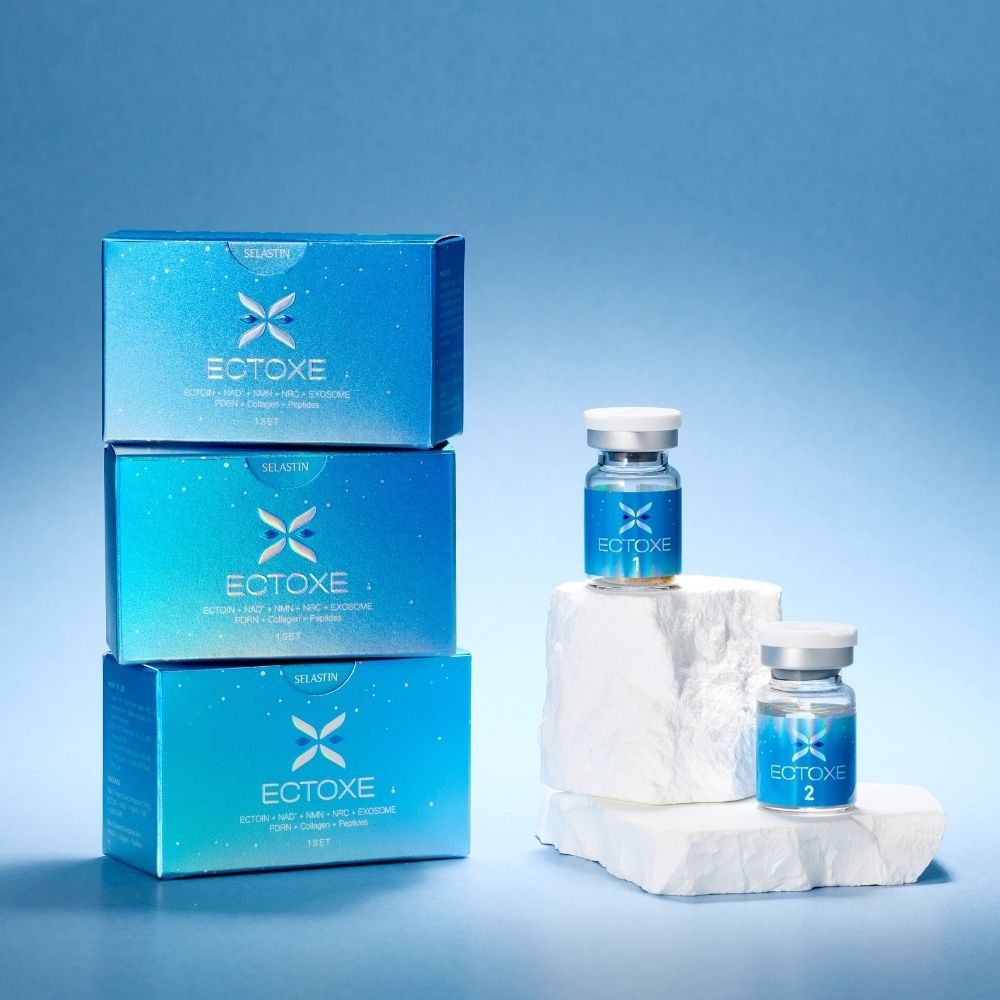
The formulation combines PN with complementary actives (exosomes, NAD+, peptides) for a multi-pathway approach
A longer treatment course is planned where cumulative nucleotide supply and sustained fibroblast activation are the primary objectives
In most clinical contexts, the distinction matters less than the quality of the formulation. A well-formulated, GMP-certified PN-based skin booster with documented concentration, purified source material, and appropriate combination actives will outperform a poorly formulated PDRN product regardless of terminology.
The Most Effective Approach: Combination Protocols
Whether using PDRN or PN, the most clinically impactful results are consistently achieved when polynucleotides are combined with complementary actives in a structured micro-needling protocol. The nucleotide supply and receptor activation of PN/PDRN work synergistically with exosomal cellular signals, NAD+/NMN energy restoration, and collagen peptide fibroblast stimulation — addressing skin ageing through multiple biological pathways simultaneously.
This multi-active, multi-pathway approach is the direction in which advanced aesthetic skincare is moving — and polynucleotides, whether PDRN or broader PN, are consistently positioned as a foundational component of these protocols.
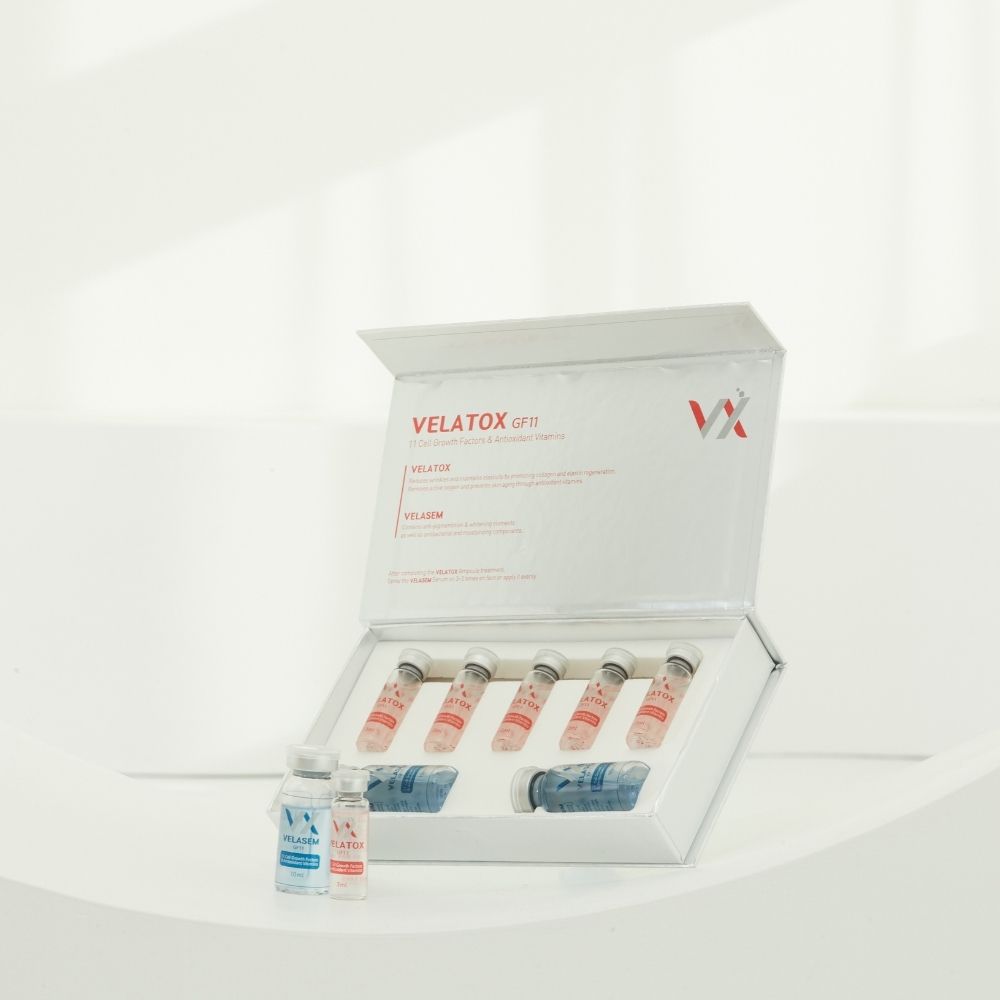
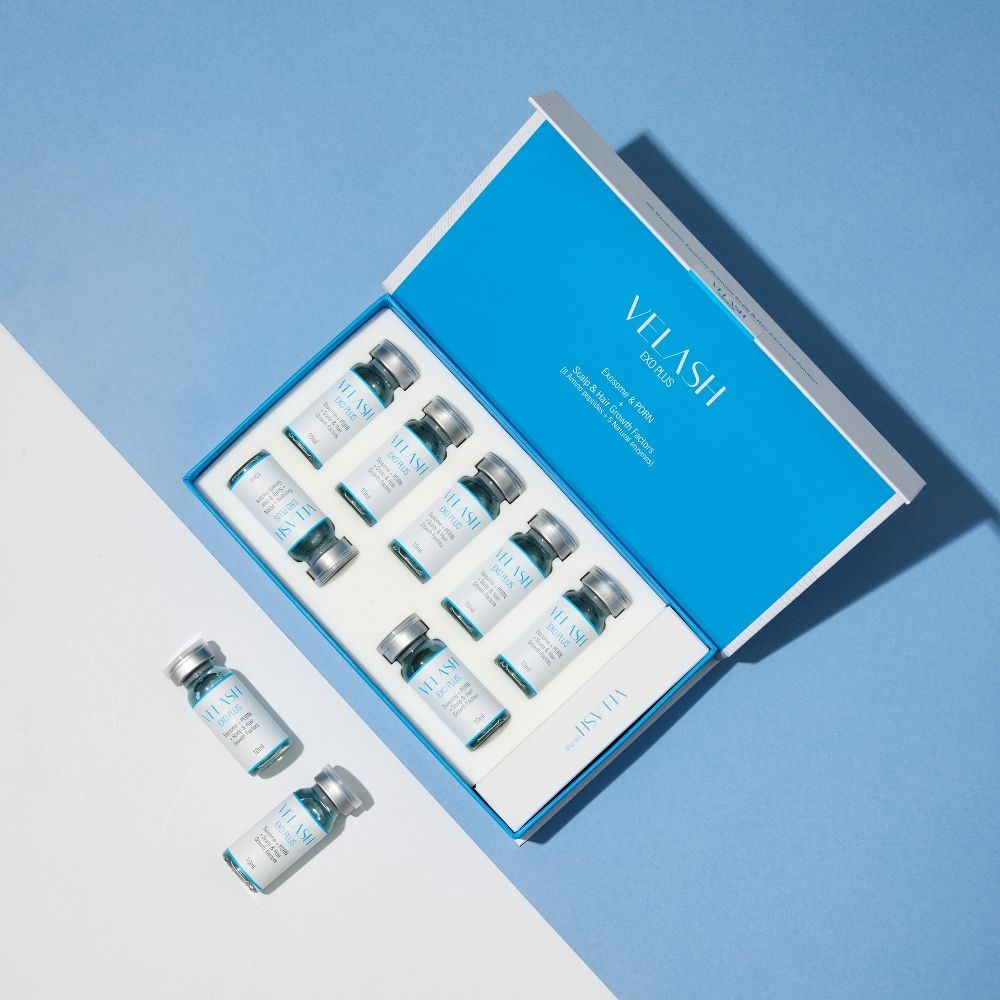
Exomedishop supplies GMP-certified PN and PDRN skin booster formulations for use in micro-needling protocols. All products are manufactured under Korea MFDS-licensed, GMP-certified conditions. Contact us for B2B pricing and product information.