NMN: The Longevity Molecule Making Its Way Into Skincare
NMN has spent the last decade at the centre of longevity and ageing research. Now it is appearing in advanced skin booster formulations — and its presence there is backed by genuine biological logic.
From Longevity Labs to Aesthetic Clinics
NMN — Nicotinamide Mononucleotide — first attracted widespread scientific attention through research into the biology of ageing, particularly studies exploring the relationship between cellular energy metabolism and the rate of biological deterioration. The central finding of this research — that declining levels of NAD+ (Nicotinamide Adenine Dinucleotide) are a primary driver of cellular ageing across multiple tissue types — positioned NMN as one of the most promising molecules in the longevity science field, as a direct biosynthetic precursor to NAD+.
What has emerged from a decade of research is a increasingly detailed picture of how NMN works, where it is most effective, and what its limitations are. Translating this understanding into aesthetic skincare applications has required careful consideration of delivery, concentration, and combination with complementary actives — but the biological rationale for NMN's inclusion in advanced skin booster formulations is well-founded.
The NAD+ Problem in Ageing Skin
To understand why NMN matters for skin, it is necessary to first understand the role of NAD+ in skin biology.
NAD+ is a coenzyme that participates in hundreds of metabolic reactions within every cell. Its most critical functions in the context of skin ageing are:
Powering mitochondrial energy production — the cellular process that generates the ATP (adenosine triphosphate) that all biological functions require
Serving as a substrate for PARP enzymes — the primary machinery of cellular DNA repair
Activating Sirtuin proteins — regulatory enzymes that govern stress responses, inflammation, and cellular longevity
From the age of approximately 30, NAD+ levels in skin tissue begin a progressive decline — falling by an estimated 50% by middle age. As NAD+ decreases, mitochondrial efficiency drops, DNA repair becomes less effective, Sirtuin activity diminishes, and the cumulative biological cost of ageing accelerates. The result is skin that progressively loses its capacity for self-renewal — producing less collagen, repairing UV damage more slowly, and sustaining higher levels of chronic inflammation.
How NMN Restores NAD+ in Skin
The body produces NAD+ through several biosynthetic pathways, one of which runs directly through NMN. The enzyme NMNAT (Nicotinamide Mononucleotide Adenylyltransferase) converts NMN into NAD+ in a single enzymatic step — making NMN one of the most direct and efficient routes to elevating intracellular NAD+ levels.
When NMN is delivered into the dermis via micro-needling, it is taken up by skin cells and converted to NAD+ — restoring the coenzyme levels that support:
Enhanced DNA Repair — With adequate NAD+, PARP enzymes can efficiently repair the DNA damage that accumulates daily from UV exposure, oxidative stress, and normal metabolic activity. Reduced DNA damage means slower accumulation of the cellular defects that manifest as visible skin ageing.
Restored Mitochondrial Function — NAD+ replenishment improves the efficiency of the mitochondrial electron transport chain — increasing the cellular energy output available for collagen synthesis, barrier maintenance, and cellular renewal. Skin cells with restored energy capacity perform their biological functions more effectively and sustain them for longer.
Sirtuin Reactivation — Sirtuins regulate a wide range of cellular functions relevant to skin ageing, including inflammation control, stress response, and the stability of cellular genetic material. NAD+ restoration reactivates Sirtuin activity — reducing chronic inflammation, improving cellular resilience, and supporting the biological conditions associated with healthier, more youthful-appearing skin.
NMN vs NAD+ — Which Is Better for Skin?
Both NMN and NAD+ are used in aesthetic skin booster formulations, and both are effective — but through slightly different mechanisms and with different kinetic profiles.
NAD+ provides immediate availability — delivered directly into the dermis, it is available to cells without requiring conversion. However, intact NAD+ is a relatively large molecule with limited cellular membrane permeability, meaning its uptake by cells may be less efficient than its precursor.
NMN requires enzymatic conversion to NAD+ before it becomes biologically active — but this conversion is rapid and highly efficient, and NMN's smaller molecular size may support better cellular uptake in some formulation contexts.
The most advanced formulations combine both — providing immediate NAD+ availability alongside a sustained biosynthetic supply through NMN conversion. This dual approach produces more consistent and prolonged elevation of intracellular NAD+ levels than either molecule alone.
NMN in the Context of a Complete Skin Renewal Protocol
NMN and NAD+ address the energy dimension of skin ageing — but they work most effectively as part of a complete multi-pathway protocol. The most clinically comprehensive approach combines:
Exosomes — for cellular signalling and direction of repair
PN/PDRN — for nucleotide supply and purinergic receptor activation
NMN/NAD+ — for cellular energy restoration and DNA repair capacity
Collagen peptides — for fibroblast activation and structural raw material supply
Together, these actives address the four fundamental biological dimensions of skin ageing — signal, structure, energy, and repair — in a way that no single active can replicate alone.
Who Benefits Most from NMN-Based Skin Boosters?
NMN and NAD+-containing formulations are most clinically relevant for clients presenting with:
Skin that appears tired, dull, or lacking vitality despite good general skin health
Fine lines and early laxity associated with intrinsic biological ageing rather than sun damage alone
Skin that has responded less well than expected to conventional collagen-stimulating treatments
Clients in their 40s and above, where NAD+ decline is most clinically significant
High-stress lifestyles, poor sleep patterns, or significant UV exposure history — all of which accelerate NAD+ depletion
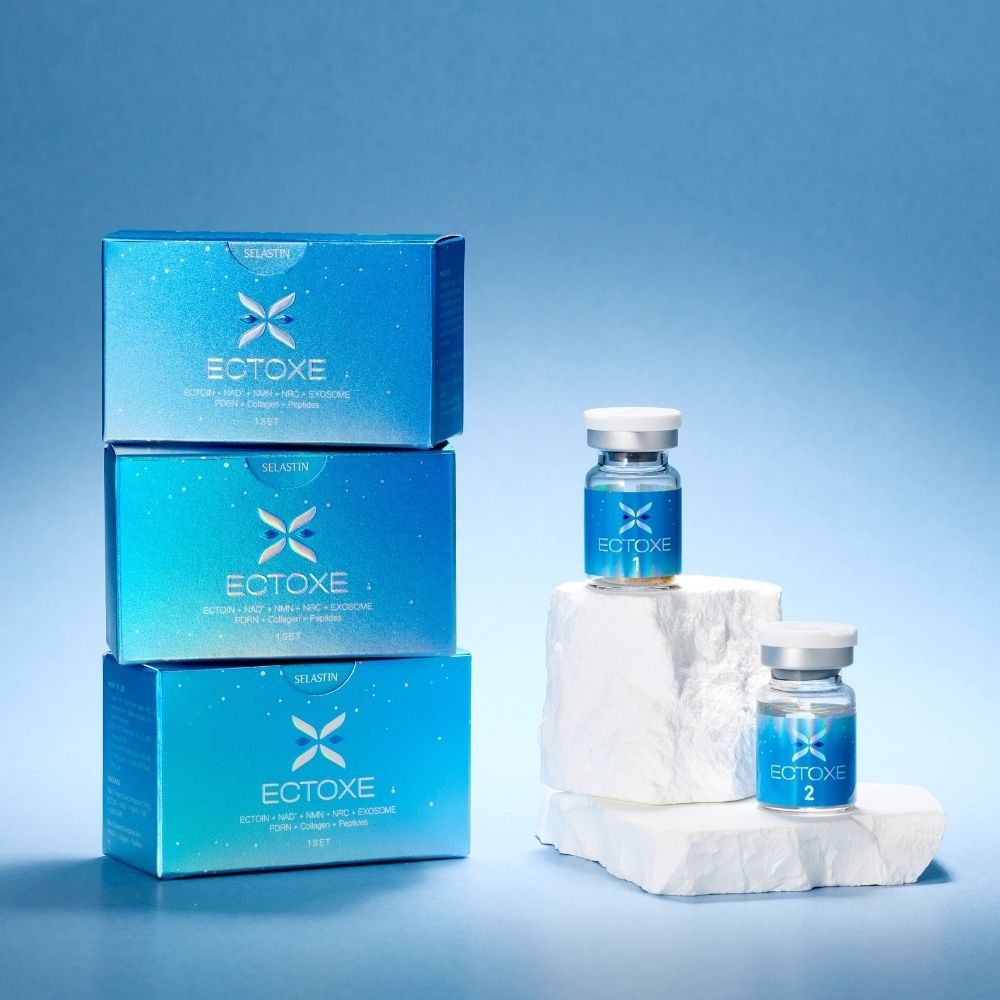
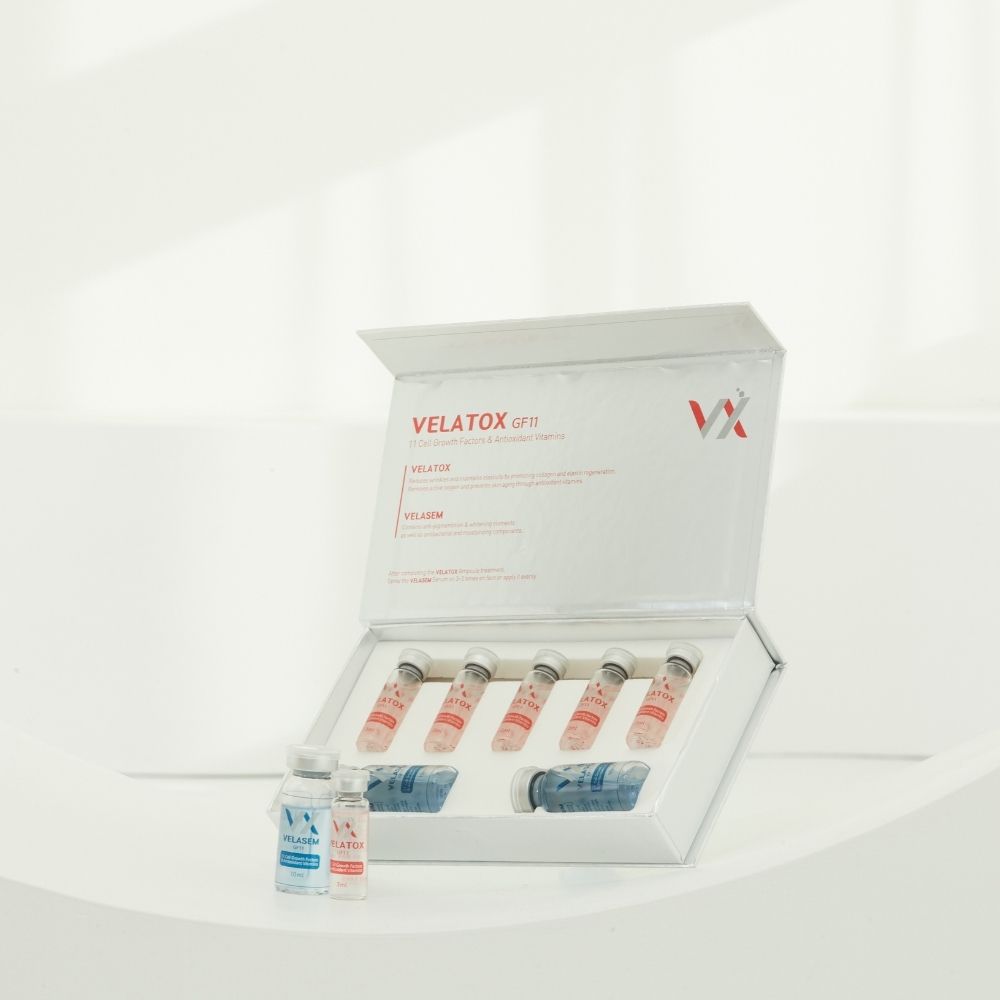
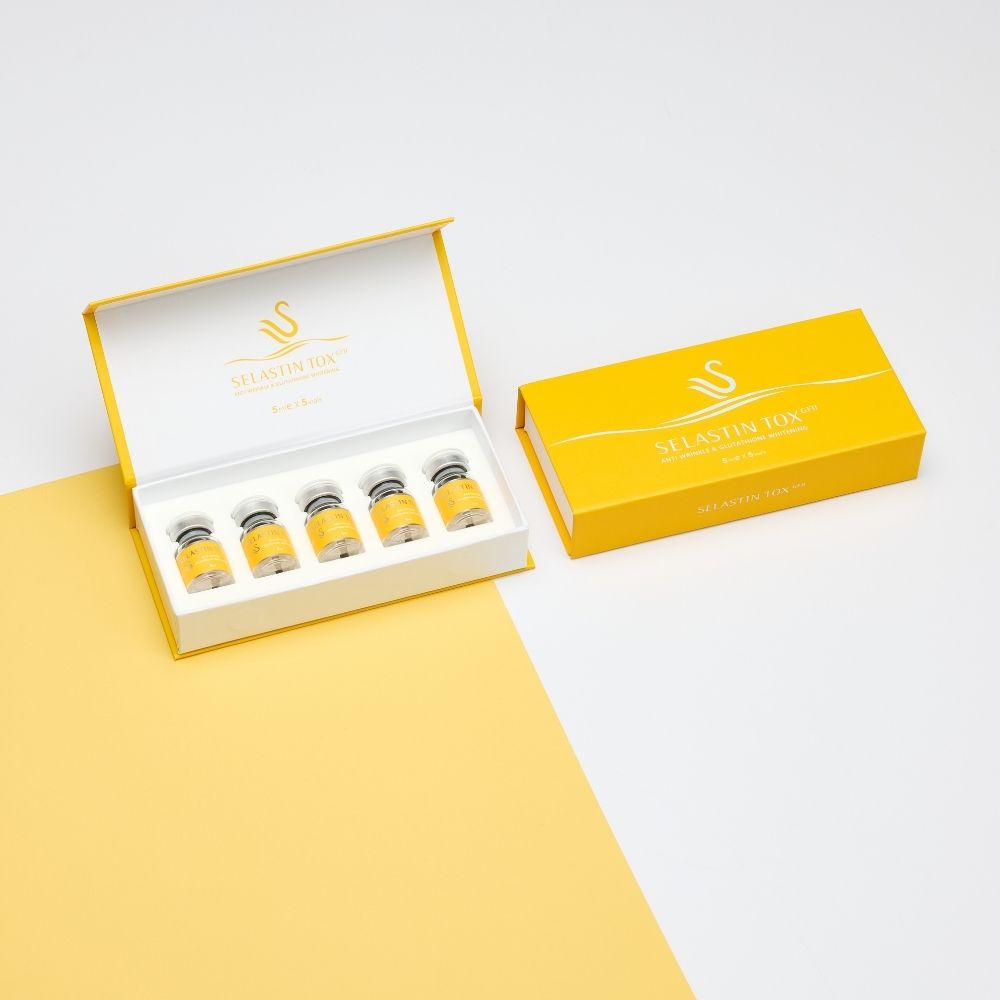
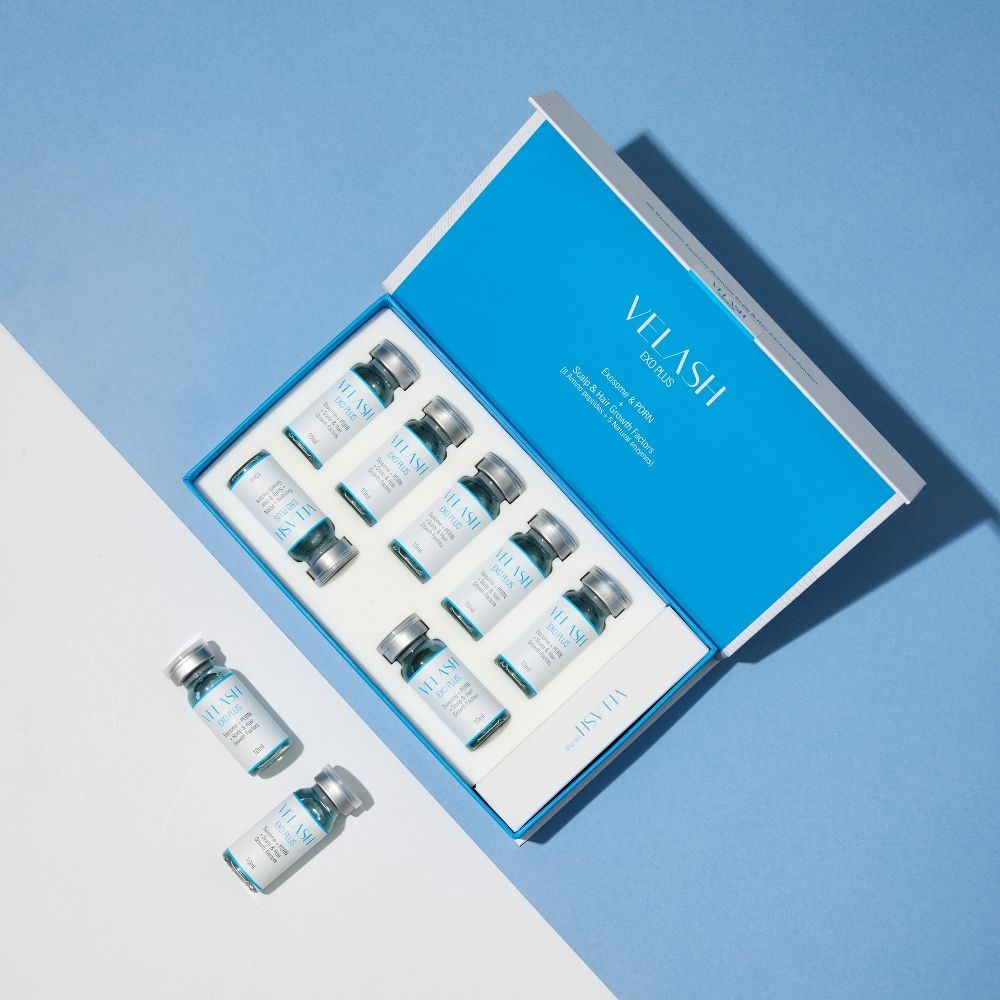
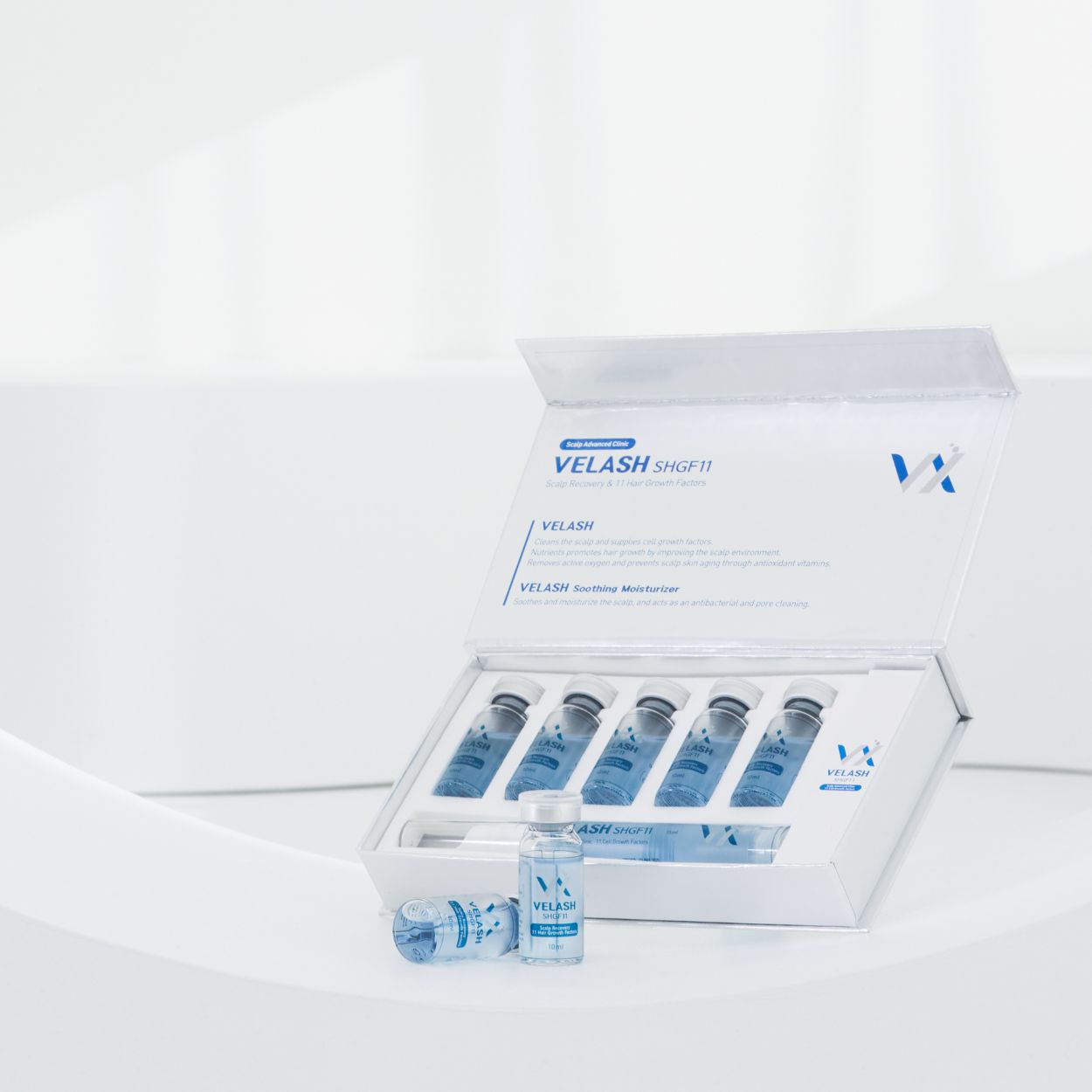
Exomedishop supplies GMP-certified NAD+/NMN skin booster formulations for use in micro-needling protocols, available for direct B2B supply to aesthetic clinics and distributors worldwide. Contact us for product information and pricing.