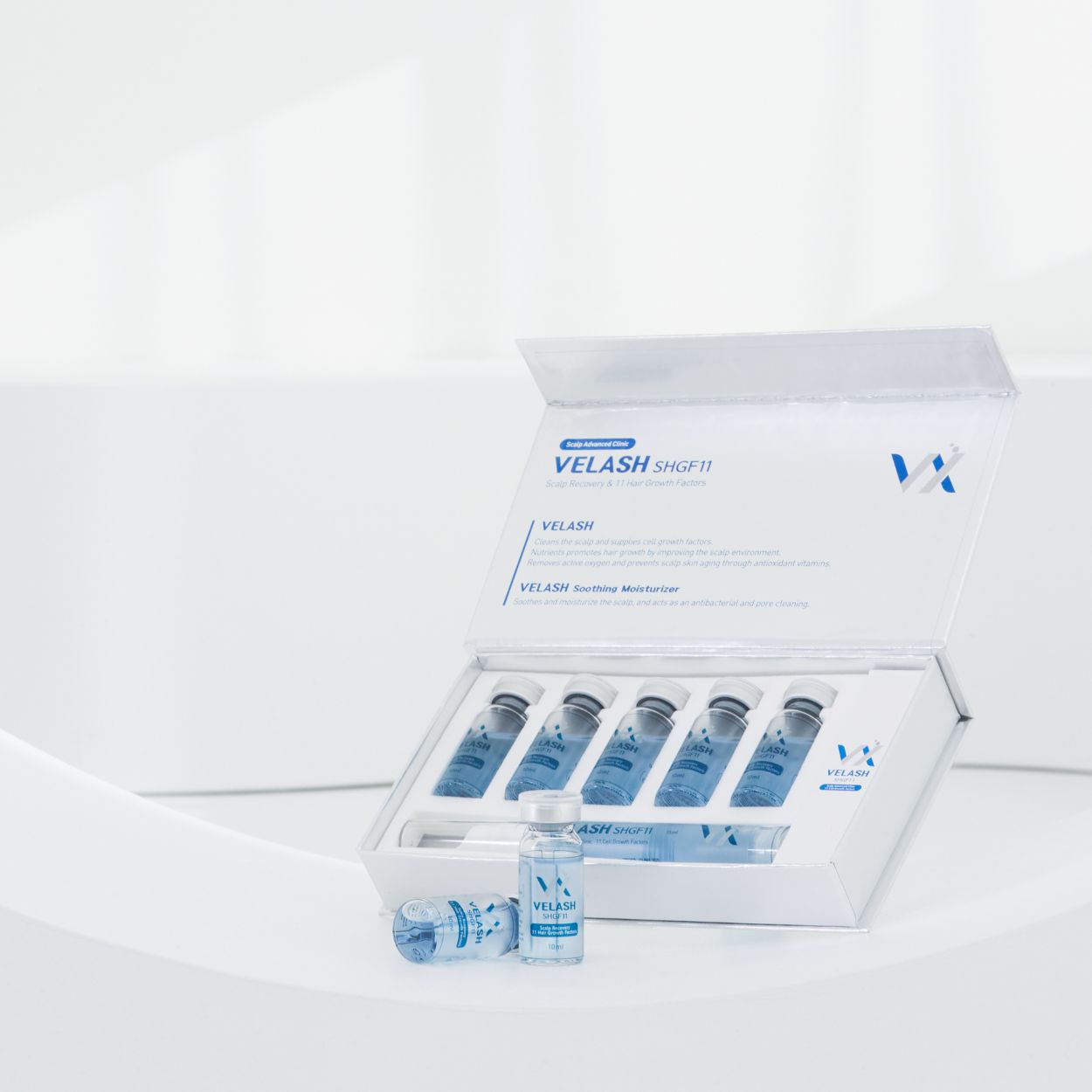
PN (Polynucleotides): The Skin Renewal Active Clinics Are Talking About
Polynucleotides have been quietly building an evidence base for decades in wound care and regenerative medicine. Now they are entering the mainstream of aesthetic skincare — and the science behind them is worth understanding properly.
What Are Polynucleotides?
Polynucleotides — commonly abbreviated as PN — are long-chain DNA fragments composed of nucleotide sequences extracted and purified from natural biological sources. In aesthetic skincare, the most clinically studied polynucleotides are derived from salmon DNA, which shares a high degree of structural compatibility with human DNA due to similarities in nucleotide composition.
Through a carefully controlled extraction and purification process, proteins and immunogenic material are removed, leaving behind a highly purified polynucleotide chain that can interact with human cell receptors without triggering an immune response. This purified PN is then formulated into skin booster preparations for use in micro-needling protocols.
The term "PN" is sometimes used interchangeably with "PDRN" (Polydeoxyribonucleotide), though technically PDRN refers specifically to a short-chain, highly purified form of polynucleotide with a defined molecular weight range. In broader usage, PN encompasses the full spectrum of polynucleotide-based actives used in aesthetic formulations.
How PN Works in the Skin
The biological activity of polynucleotides in skin tissue operates through two primary mechanisms that work in parallel to support cellular renewal and structural repair.
Purinergic Receptor Activation
When polynucleotides are broken down in tissue, they release adenosine — a purine nucleoside that activates A2A receptors on the surface of skin cells. This activation initiates a cascade of biological responses: anti-inflammatory cytokine production increases, pro-inflammatory signalling is reduced, VEGF (Vascular Endothelial Growth Factor) production rises — improving microcirculation — and fibroblast activity is stimulated, driving collagen and elastin synthesis.
This receptor-mediated mechanism gives PN its anti-inflammatory and tissue-regenerative properties, and distinguishes it from actives that work purely through nutrient supply or mechanical stimulation.
The Salvage Pathway — Nucleotide Supply
Cells undergoing active repair and renewal require large quantities of nucleotides — the molecular building blocks used to synthesise new DNA and RNA. While cells can produce nucleotides through de novo synthesis, this process is metabolically expensive and slow. The salvage pathway allows cells to reuse nucleotides from external sources — dramatically reducing the energy cost of cellular repair and accelerating the rate at which damaged or aged cells can renew themselves.
By delivering a direct supply of nucleotides through the salvage pathway, PN-based formulations give skin cells the raw materials they need to repair DNA damage, accelerate cell turnover, and produce the structural proteins that maintain skin quality — at a rate that endogenous synthesis alone cannot match.
Clinical Effects Observed with PN
When delivered via micro-needling protocols, polynucleotide-based skin boosters have been associated with the following skin improvements across clinical observation:
Improved Skin Hydration — PN supports the synthesis of hyaluronic acid and other glycosaminoglycans within the dermis, improving the skin's water-retaining capacity and producing a visible improvement in skin plumpness and radiance.
Increased Collagen and Elastin Production — Through fibroblast activation, PN stimulates the synthesis of Type I and Type III collagen and elastin — improving skin firmness, elasticity, and overall structural density over a course of treatments.
Reduction of Fine Lines and Skin Laxity — As collagen density improves and dermal hydration increases, fine lines become less visible and skin texture improves — with results developing progressively across a structured treatment course.
Accelerated Skin Repair — PN's nucleotide supply and anti-inflammatory action accelerate the skin's response to micro-needling treatment — reducing post-procedure redness, supporting faster barrier recovery, and enhancing the regenerative outcome of each session.
Improved Skin Tone and Radiance — By reducing chronic low-grade inflammation and improving microcirculation, PN produces improvements in overall skin tone and luminosity that are often noticeable within the first few treatment sessions.
PN in Combination Formulations
Polynucleotides are increasingly being combined with complementary actives to create multi-pathway skin booster formulations. The most clinically effective combinations include:
PN + Exosomes — Exosomes provide the cellular signals that direct skin cells toward repair and renewal, while PN provides the nucleotide supply and receptor activation that powers and sustains those processes. Together, they address skin renewal through both the signalling and the metabolic dimensions of cellular biology.
PN + Collagen Peptides — PN stimulates fibroblasts to produce new collagen, while collagen peptides provide both a matrikine signal that amplifies fibroblast activation and a direct supply of amino acid building blocks for collagen synthesis.
PN + NAD+/NMN — NAD+ and NMN address the cellular energy dimension of skin ageing — restoring the mitochondrial function and DNA repair capacity that PN's nucleotide supply alone cannot fully address. Together, they provide a comprehensive metabolic and structural support system for skin renewal.
What to Look for in a PN Skin Booster
When selecting a PN-based formulation for micro-needling protocols, the following factors influence clinical effectiveness:
Molecular weight and chain length — Shorter-chain PN (PDRN range) has documented receptor-binding activity; longer chains provide greater nucleotide supply
Concentration — Clinically meaningful concentrations typically begin at 5,000ppm; premium formulations reach 30,000ppm
Purity documentation — GMP-certified manufacturing with batch testing for protein content and sterility
Combination actives — Whether complementary ingredients have been included to amplify the biological response
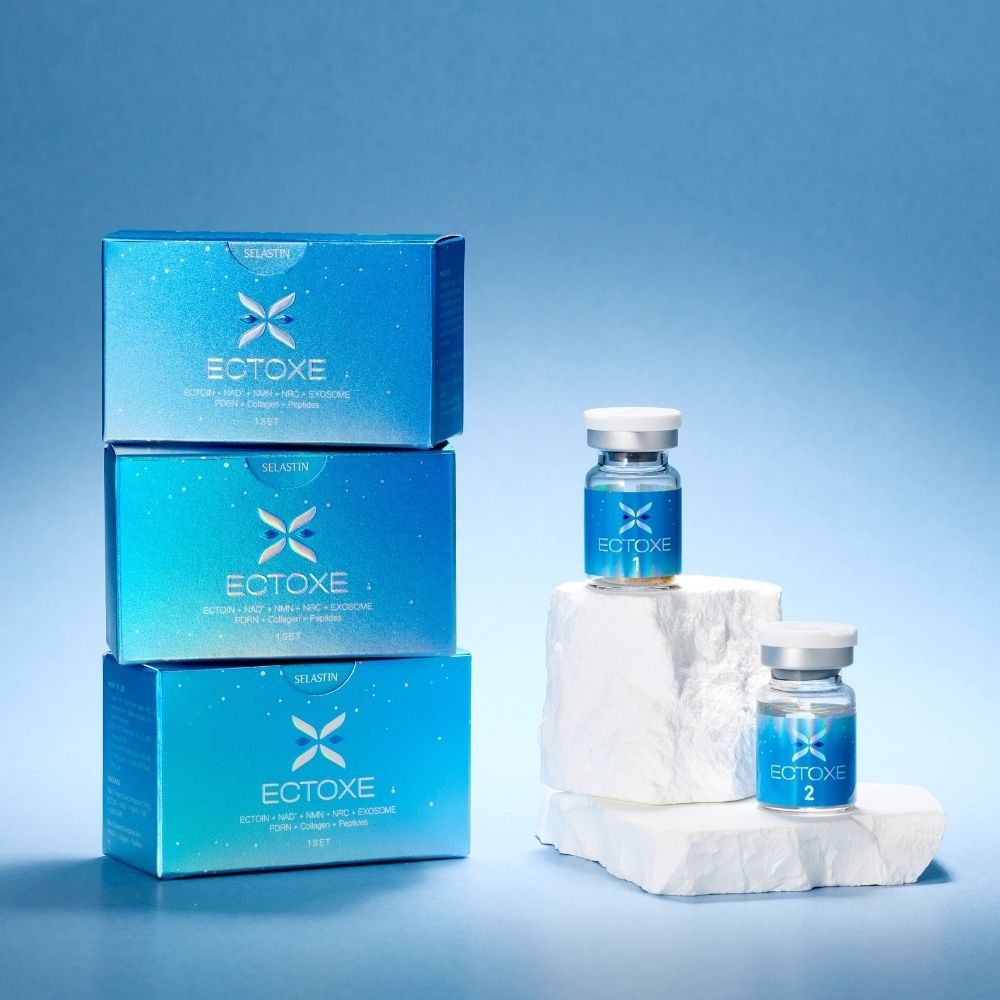
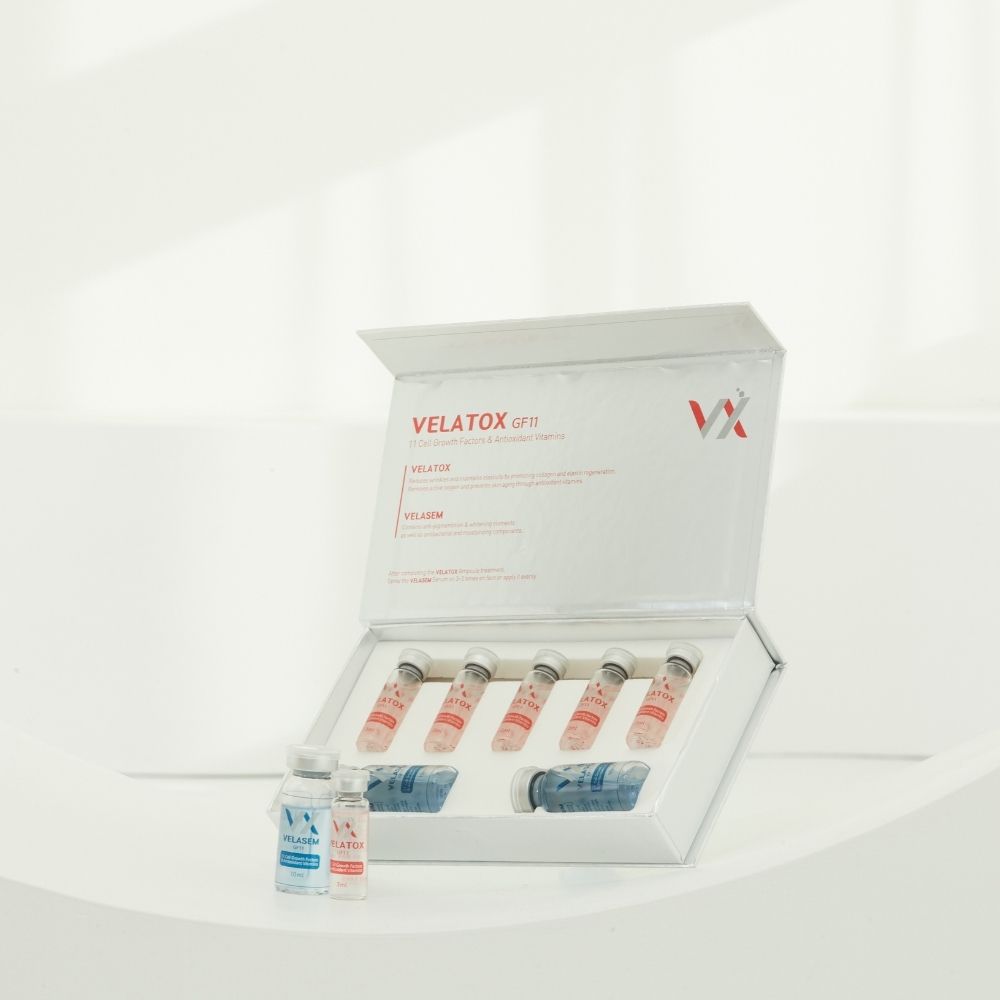
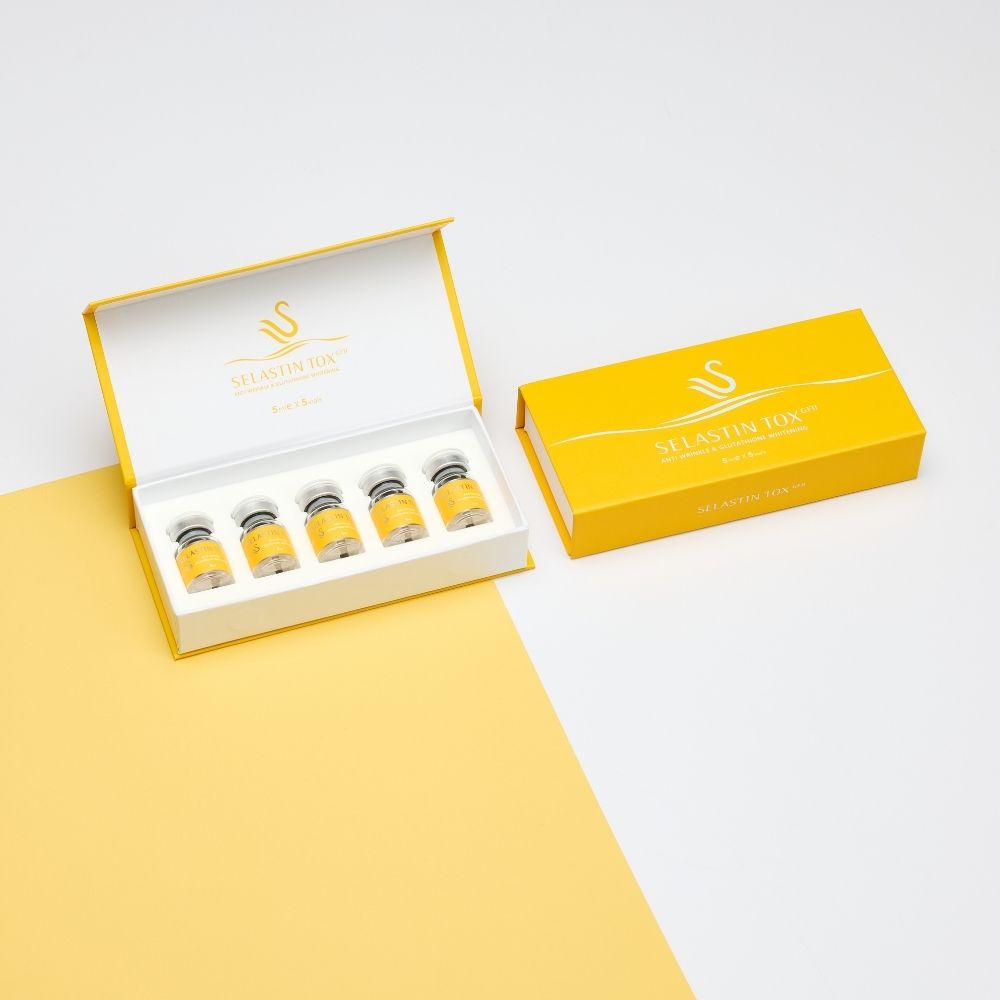
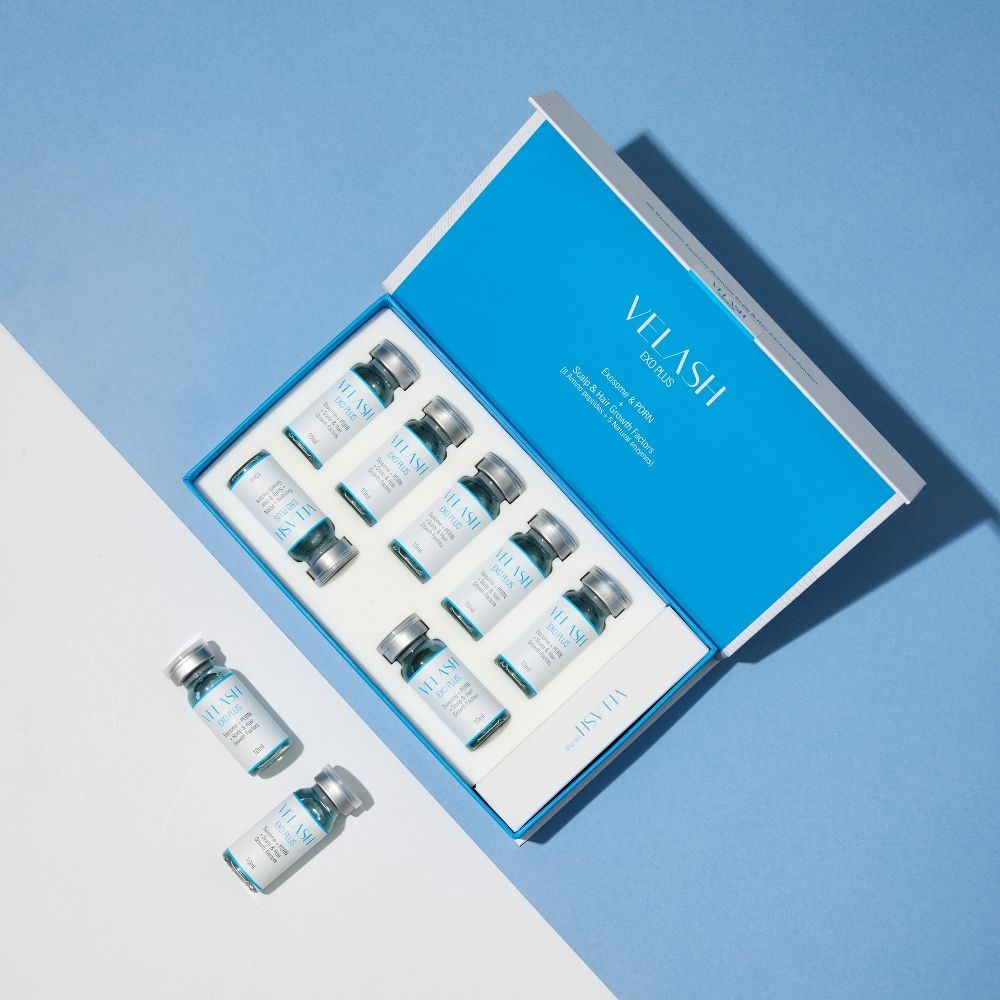
Exomedishop supplies GMP-certified PN and PDRN skin booster formulations for use in micro-needling protocols, available for direct B2B supply to aesthetic clinics and distributors worldwide. Contact us for product information and pricing.