Collagen, Peptides & the Architecture of Youthful Skin
Collagen loss is the most visible structural change in ageing skin — but restoring it is more biologically complex than most skincare marketing suggests. Here is what the science actually says.
The Structural Role of Collagen
Collagen is the most abundant protein in the human body, accounting for approximately 75% of the dry weight of skin. In the dermis, collagen fibres form a dense three-dimensional network that provides the structural framework responsible for skin firmness, elasticity, and resistance to mechanical deformation.
This network is not static. It is continuously produced and degraded by a dynamic balance of fibroblast activity (collagen synthesis) and matrix metalloproteinase (MMP) activity (collagen breakdown). In young, healthy skin, synthesis and degradation are in equilibrium — maintaining dermal density and preventing the accumulation of structural defects.
From the mid-twenties, this balance begins to shift. Collagen synthesis declines as fibroblast activity reduces, while collagen degradation continues — driven by UV exposure, oxidative stress, and MMP activity that is no longer adequately counterbalanced by new production. The result is the progressive thinning, laxity, and loss of structural support that characterises skin ageing.
Types of Collagen Relevant to Aesthetic Medicine
Not all collagen is the same. The skin's extracellular matrix contains multiple collagen types with distinct structural roles:
Type I Collagen — The most abundant collagen in skin, responsible for tensile strength and structural integrity. Its decline is the primary driver of skin thinning and laxity.
Type III Collagen — Often called "baby collagen," Type III is present in higher proportions in young skin and is associated with skin elasticity and resilience. Its ratio to Type I declines with age.
Type IV Collagen — Found in the basement membrane, Type IV collagen provides the structural foundation that anchors the epidermis to the dermis. Its degradation contributes to the loss of skin smoothness and the formation of fine lines.
In aesthetic medicine, the goal of collagen-stimulating treatments is to increase the production of Type I and Type III collagen by fibroblasts — restoring dermal density and improving the structural quality of the skin matrix.
What Peptides Actually Do
Peptides are short chains of amino acids — typically 2 to 10 amino acids in length — that function as biological messengers within the skin. Unlike collagen itself, which is too large to penetrate the skin barrier in its intact form, peptides are small enough to enter the dermis and interact directly with cellular receptors.
Different peptide classes exert different biological effects:
Signal Peptides — Mimic the breakdown fragments of collagen (matrikines), which the skin interprets as a signal that collagen repair is needed. This triggers fibroblast activation and increased collagen synthesis. Palmitoyl tripeptide-1 and palmitoyl tetrapeptide-7 are well-studied examples.
Carrier Peptides — Deliver trace minerals such as copper to fibroblasts, supporting their enzymatic function in collagen cross-linking and improving the structural quality of newly synthesised collagen.
Neurotransmitter-Inhibiting Peptides — Reduce the acetylcholine signalling that causes repetitive muscle contractions, reducing the formation of dynamic expression lines. Acetyl hexapeptide-3 (Argireline) and Syn-AKE (a synthetic analogue of temple viper venom) are the most clinically studied examples.
Enzyme-Inhibiting Peptides — Block the activity of MMPs that degrade existing collagen, slowing the net loss of dermal structural support.
Atelocollagen: The Biocompatible Collagen Active
Atelocollagen is a highly purified form of collagen from which the telopeptide regions — the areas most associated with immune reactions — have been enzymatically removed. This processing dramatically reduces its immunogenicity, making it one of the most biocompatible collagen actives available for injectable use.
In skin booster formulations, atelocollagen serves multiple functions: it provides an immediate hydration effect by retaining water within the dermis; it supports fibroblast activity by providing a collagen scaffold that cells can use as a template for new synthesis; and its degradation products (collagen peptide fragments) act as matrikines — triggering further collagen production through signal peptide mechanisms.
Collagen Stimulation vs Collagen Replacement
A critical distinction that is often overlooked in aesthetic practice is the difference between stimulating the skin to produce its own collagen versus delivering exogenous collagen that will be broken down and used as raw material.
The most durable and clinically meaningful results come from stimulation — treatments that increase fibroblast activity and drive net collagen synthesis over time. Exosomes, PDRN, growth factors, and signal peptides all operate through stimulation mechanisms. Delivered collagen (atelocollagen, hydrolysed collagen) contributes as a scaffold and raw material supply, but does not independently drive fibroblast activation.
The most effective clinical protocols combine both approaches — stimulating fibroblasts to produce new collagen while simultaneously providing the structural scaffolding and amino acid building blocks they need to do so efficiently.
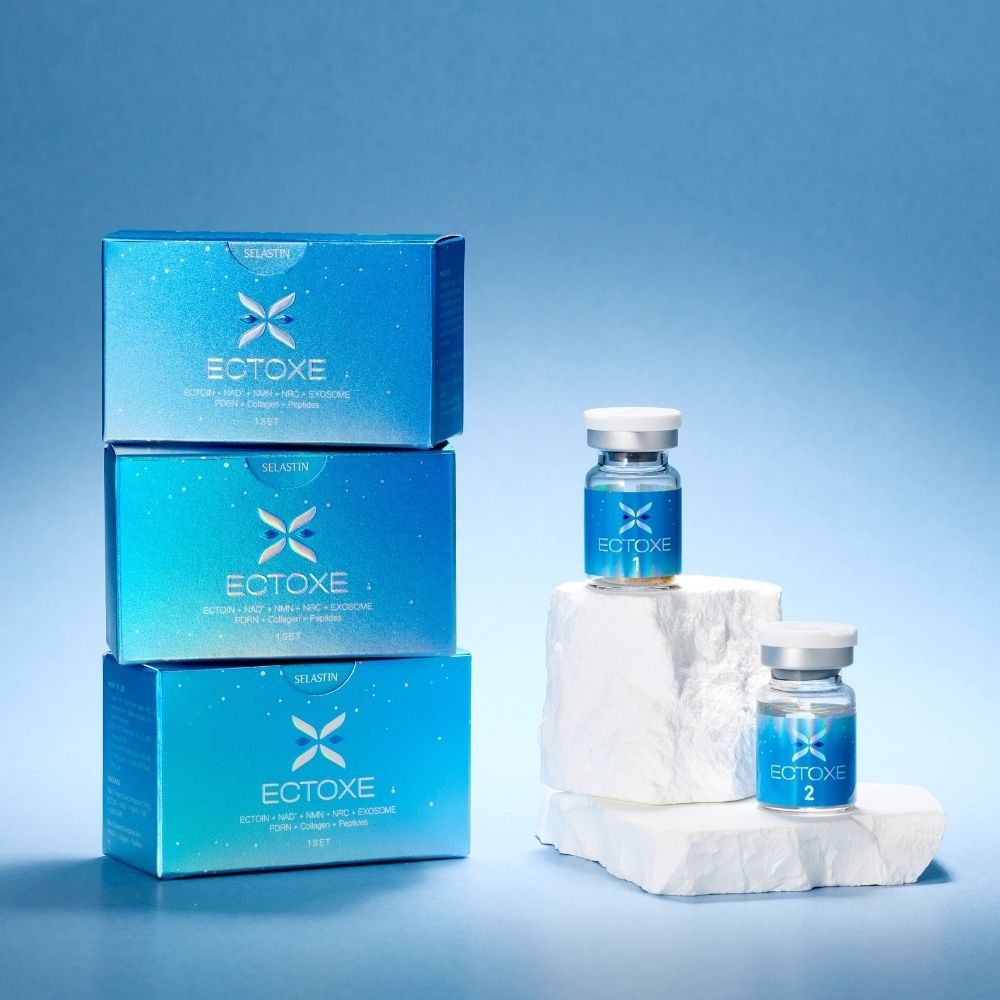
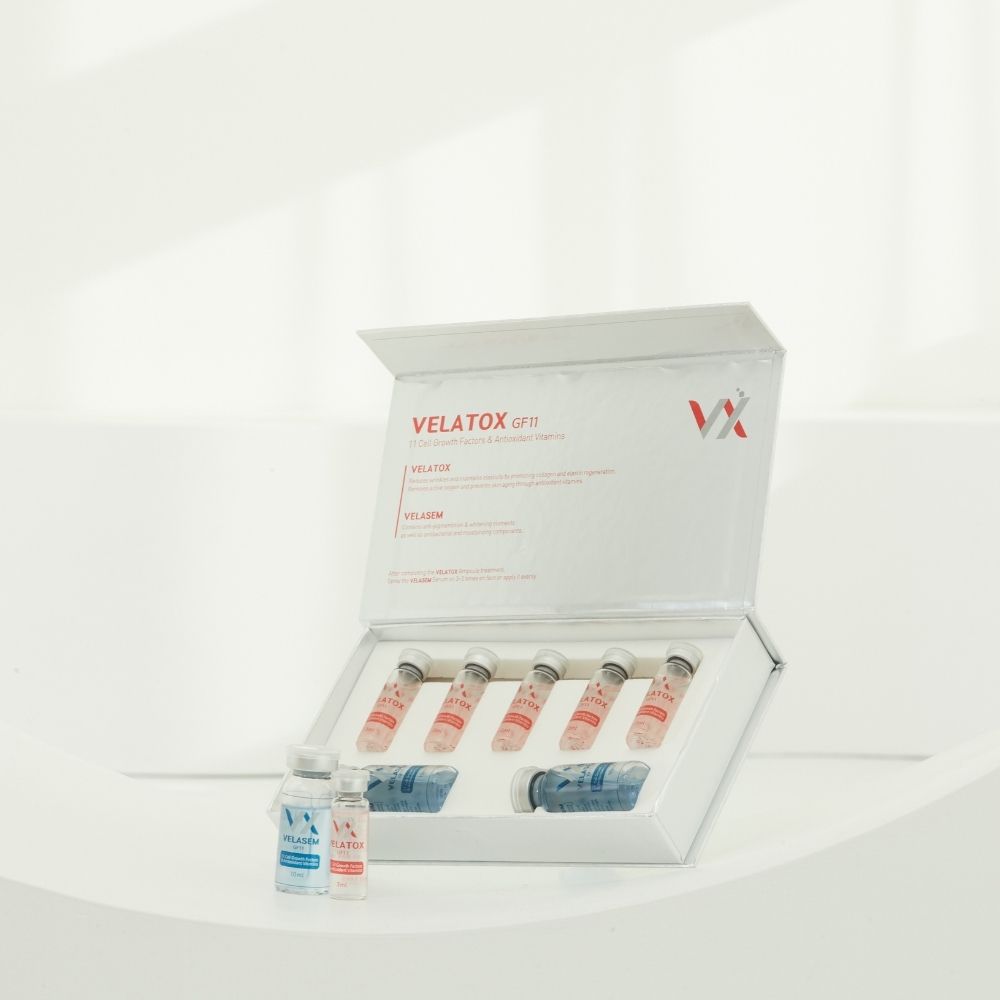
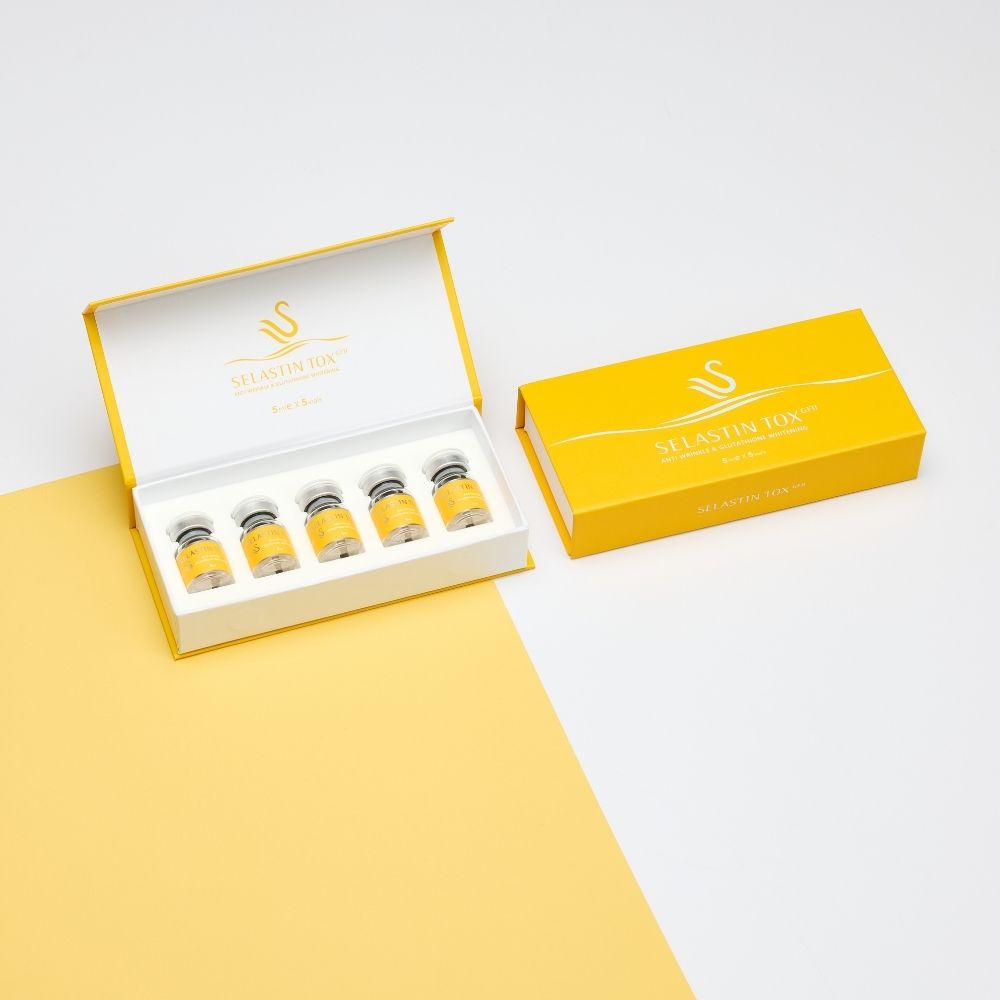
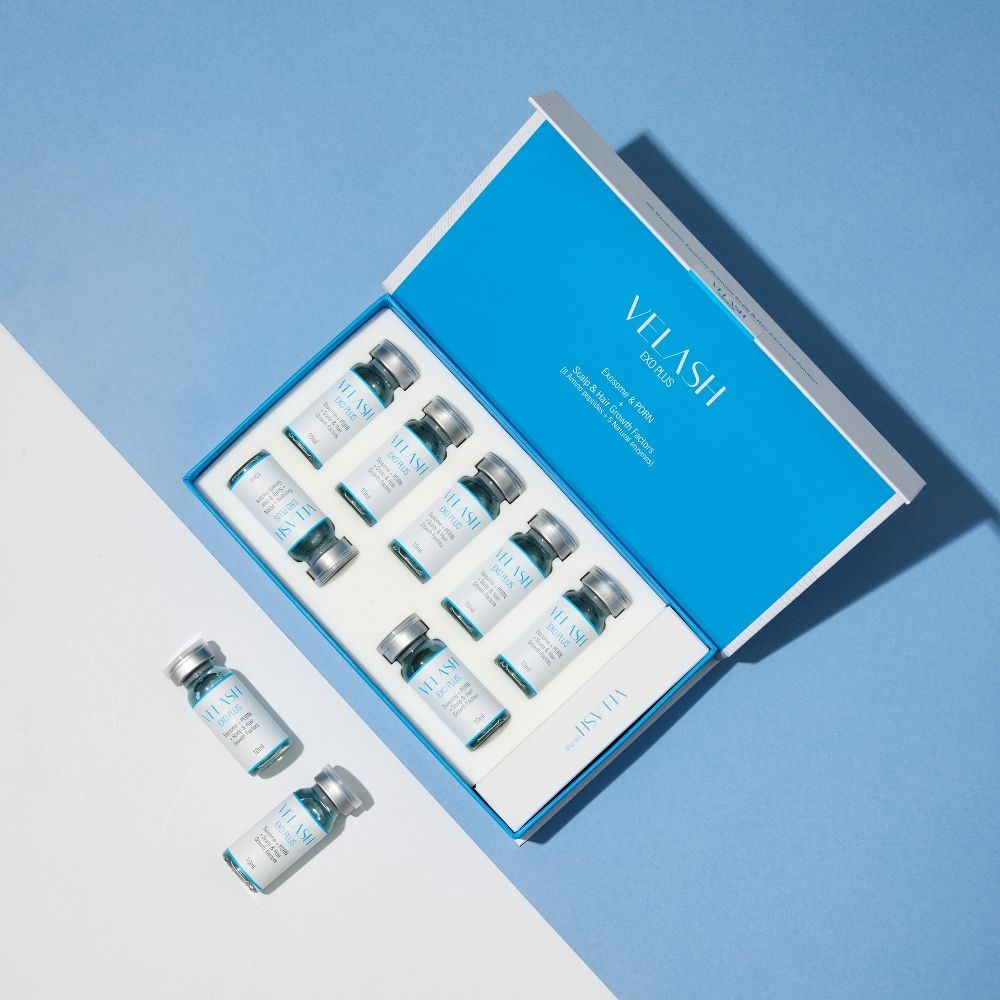
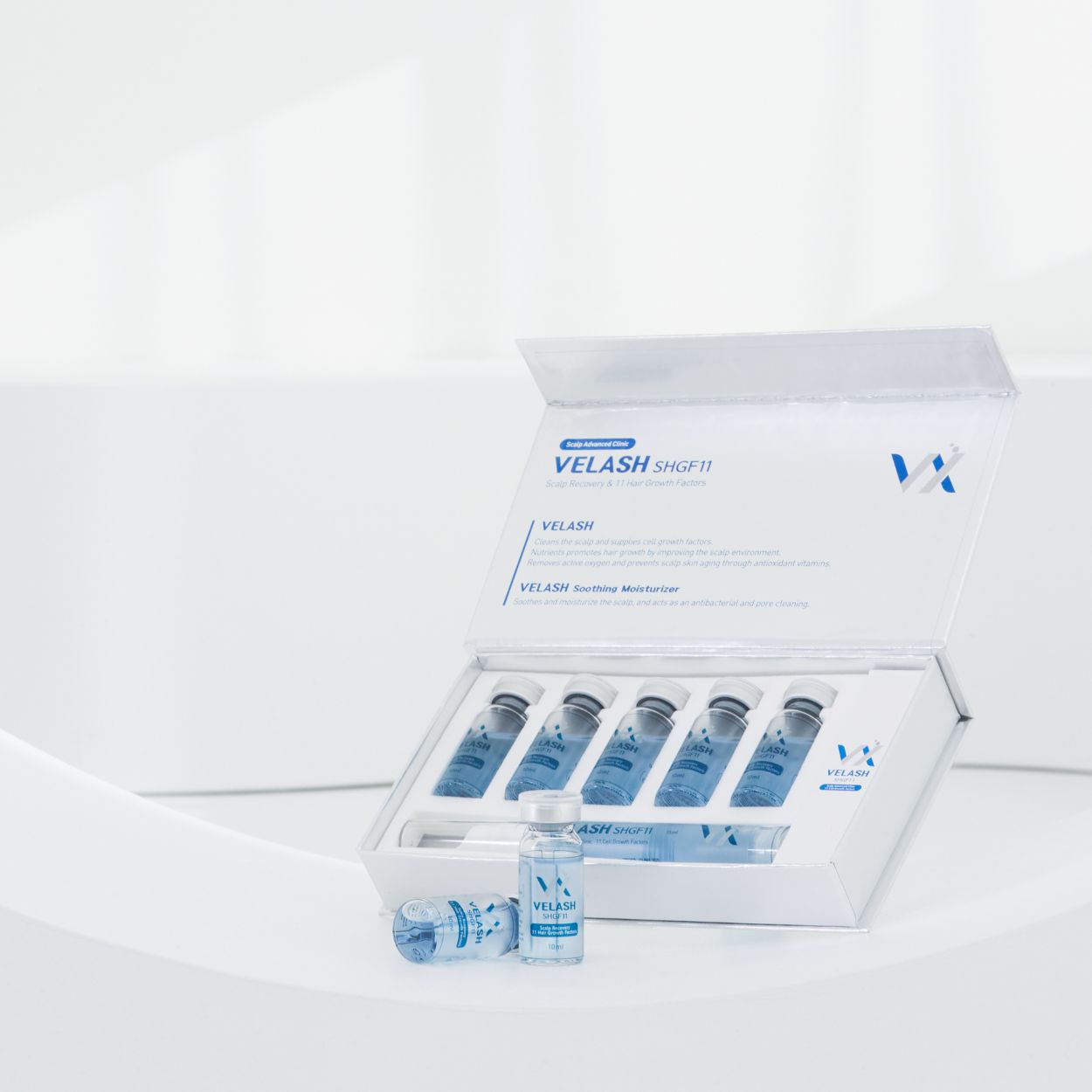
Exomedishop supplies GMP-certified collagen peptide and multi-active skin boosters directly to aesthetic clinics worldwide. Contact us for B2B pricing and product information.