The Biology of Hair Loss: What Every Clinic Needs to Know
Hair loss is one of the most emotionally significant aesthetic concerns clients present with — and one of the most biologically complex. Understanding the science is the first step toward delivering results.
Why Hair Falls Out — The Biological Reality
Hair loss is rarely a single-cause condition. In the vast majority of cases, it results from the convergence of multiple biological disruptions — hormonal shifts, inflammation, vascular insufficiency, oxidative stress, and the gradual exhaustion of follicle stem cells — that collectively push follicles from active growth into prolonged dormancy or permanent miniaturisation.
Understanding which mechanisms are driving a particular client's hair loss is essential for selecting the right treatment protocol and setting realistic expectations for outcomes.
The Hair Growth Cycle
Each hair follicle operates on an independent growth cycle consisting of three phases:
Anagen (Growth Phase) — The active growth phase during which the hair shaft is produced. This phase lasts 2–7 years in healthy follicles and determines the length and density of hair. In cases of hair loss, the anagen phase progressively shortens — producing finer, shorter hairs before the follicle eventually stops producing hair altogether.
Catagen (Transition Phase) — A brief transitional phase lasting approximately 2–3 weeks during which the follicle detaches from its blood supply and the hair shaft stops growing.
Telogen (Resting Phase) — The resting phase lasting 3–4 months, at the end of which the hair is shed and the cycle restarts. In healthy scalps, approximately 10–15% of follicles are in telogen at any given time. In cases of telogen effluvium (stress-related hair loss), this proportion rises dramatically, resulting in diffuse shedding.
The Key Drivers of Hair Loss
DHT and Follicle Miniaturisation — In androgenetic alopecia (male and female pattern hair loss), the primary driver is dihydrotestosterone (DHT) — a testosterone metabolite that binds to androgen receptors in genetically susceptible follicles. Over time, DHT shortens the anagen phase and progressively miniaturises the follicle, producing finer hairs until the follicle becomes dormant.
Scalp Inflammation — Chronic inflammation around the follicle is increasingly recognised as a co-driver of hair loss across multiple conditions, not just androgenetic alopecia. Pro-inflammatory cytokines disrupt normal follicle signalling and accelerate the transition from anagen to telogen — contributing to shedding and preventing re-entry into the growth phase.
Microcirculation Decline — The dermal papilla — the specialised cluster of cells at the base of the follicle that controls its activity — is highly dependent on adequate blood supply for oxygen and nutrient delivery. As scalp microcirculation declines with age or stress, dermal papilla function deteriorates and follicle activity reduces.
Oxidative Stress — Free radical damage affects follicle stem cells and the dermal papilla directly — impairing their function and accelerating the ageing of the follicle unit. High levels of oxidative stress are consistently found in scalp tissue affected by hair loss.
Growth Factor Deficiency — Healthy follicle activity is regulated by a complex network of growth factors including FGF (Fibroblast Growth Factor), EGF (Epidermal Growth Factor), KGF (Keratinocyte Growth Factor), IGF (Insulin-like Growth Factor), and VEGF (Vascular Endothelial Growth Factor). As levels of these factors decline with age or stress, follicle signalling deteriorates and hair growth becomes less consistent.
Advanced Treatment Protocols: Exosomes and Growth Factors
The convergence of exosome technology and targeted growth factor delivery has opened a new era in clinical hair restoration — one that addresses the underlying biological drivers of hair loss rather than simply managing symptoms.
Exosome-Based Scalp Boosters deliver concentrated microRNAs and signalling proteins directly to the follicle microenvironment, reactivating dormant follicles, reducing scalp inflammation, and restoring the cellular communication pathways that govern the growth cycle.
Multi-Growth Factor Complexes — formulations containing 11 or more targeted growth factors — simultaneously address the multiple signalling deficiencies that contribute to hair loss, producing more comprehensive follicle stimulation than single-factor approaches such as minoxidil or PRP alone.
PDRN for Scalp Health — PDRN's activation of purinergic A2A receptors in scalp tissue stimulates VEGF production, improving microcirculation around the follicle and ensuring the dermal papilla receives the oxygen and nutrient supply it needs to sustain healthy hair growth.
Setting Expectations in Clinical Practice
Hair restoration is a process, not an event. Clients undertaking exosome and growth factor-based scalp treatment protocols should understand that:
Visible reduction in shedding typically occurs within 4–8 weeks of beginning a structured protocol
New hair growth becomes visible at 3–6 months
Optimal density improvement requires a full treatment course of 4–6 sessions, followed by maintenance
Results are most significant when treatment begins before follicles have been permanently lost
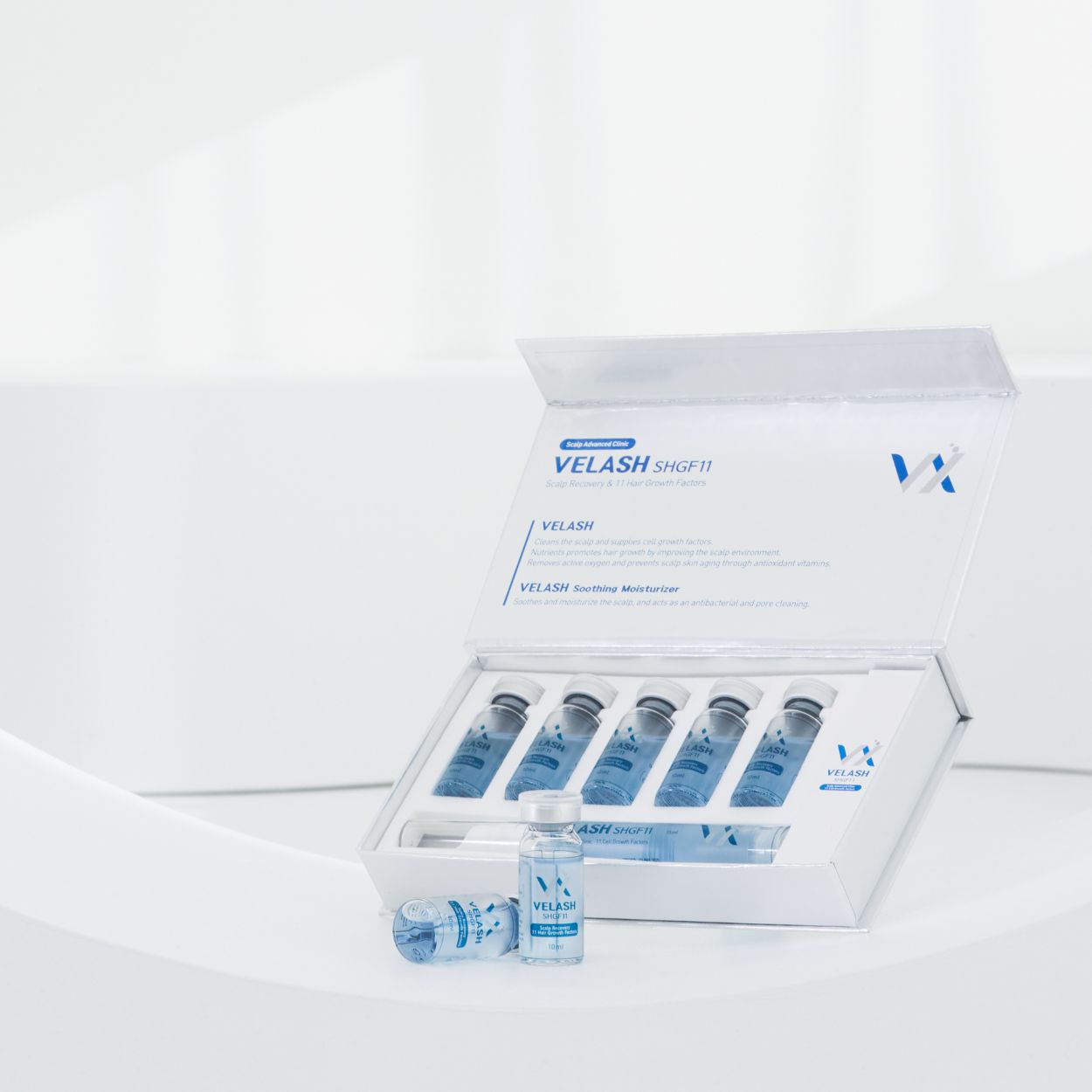
Exomedishop supplies GMP-certified exosome and growth factor hair boosters directly to aesthetic clinics and trichology specialists worldwide. No minimum order quantity on trial supply. Contact us for B2B pricing and product information.