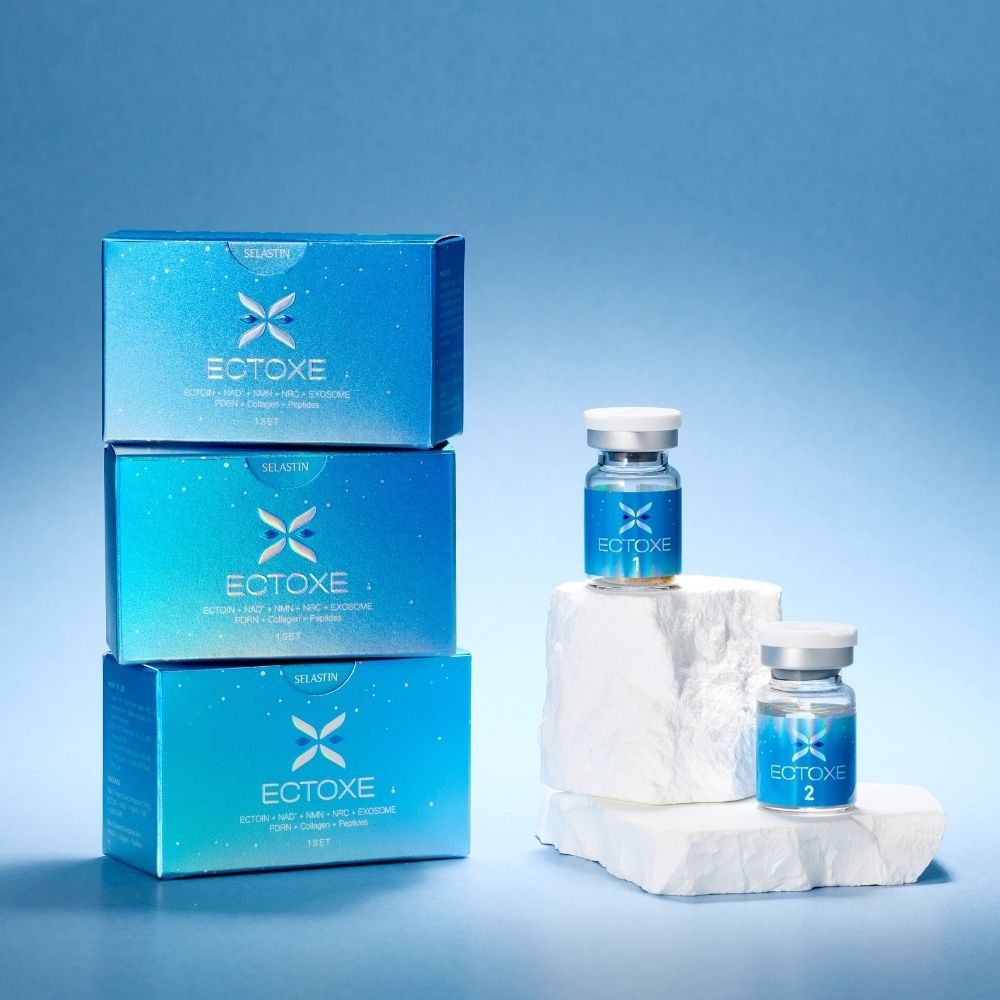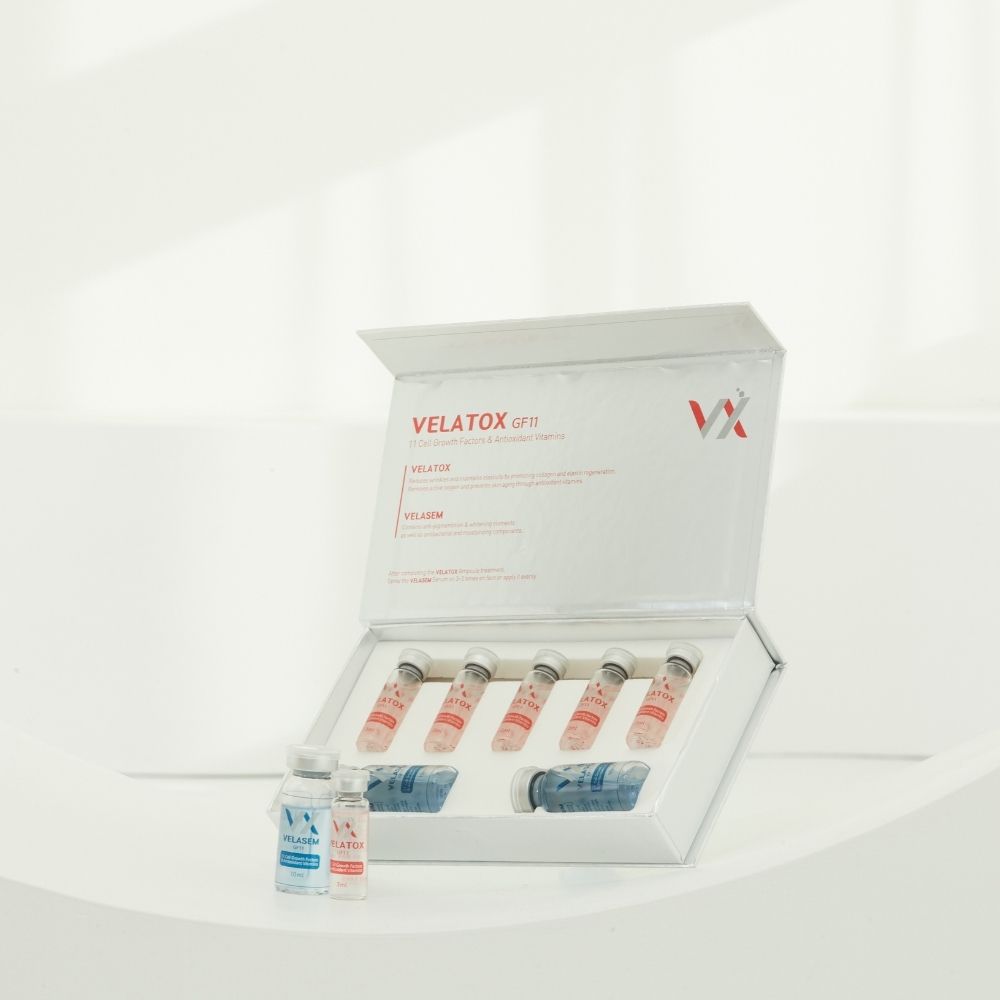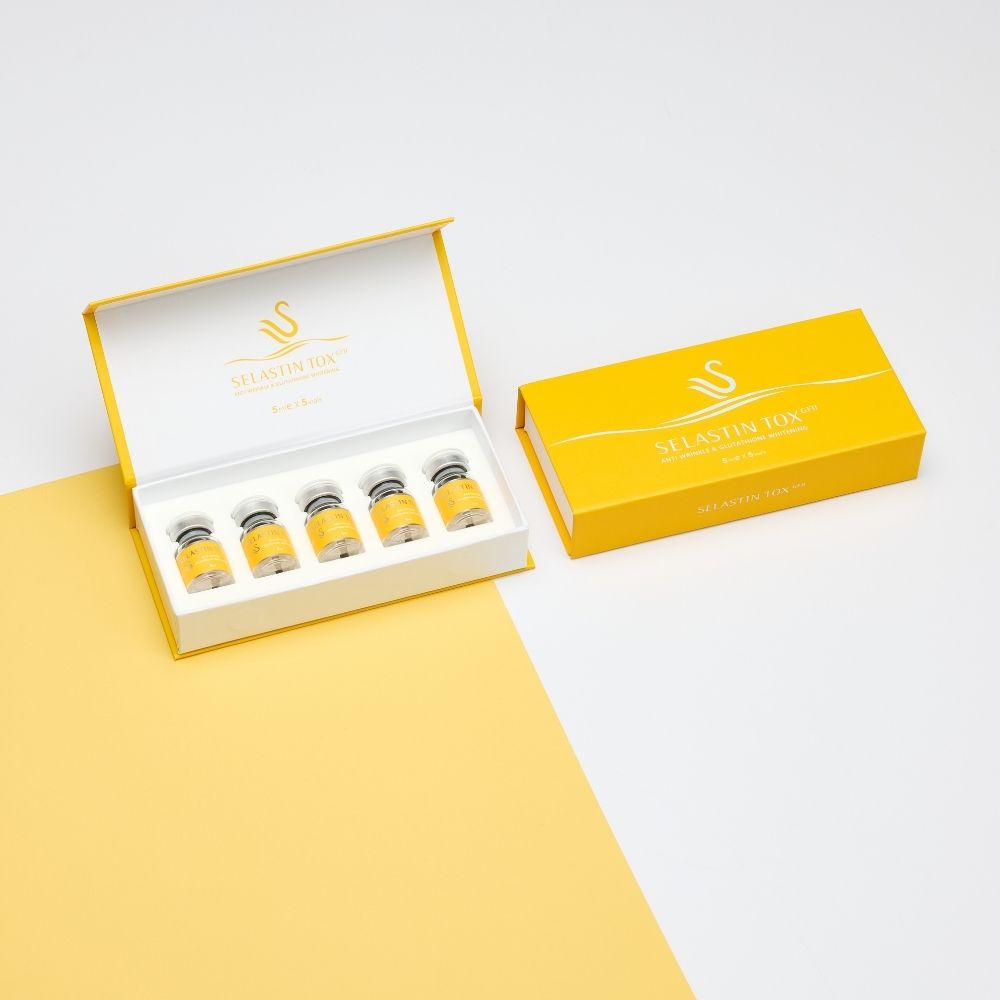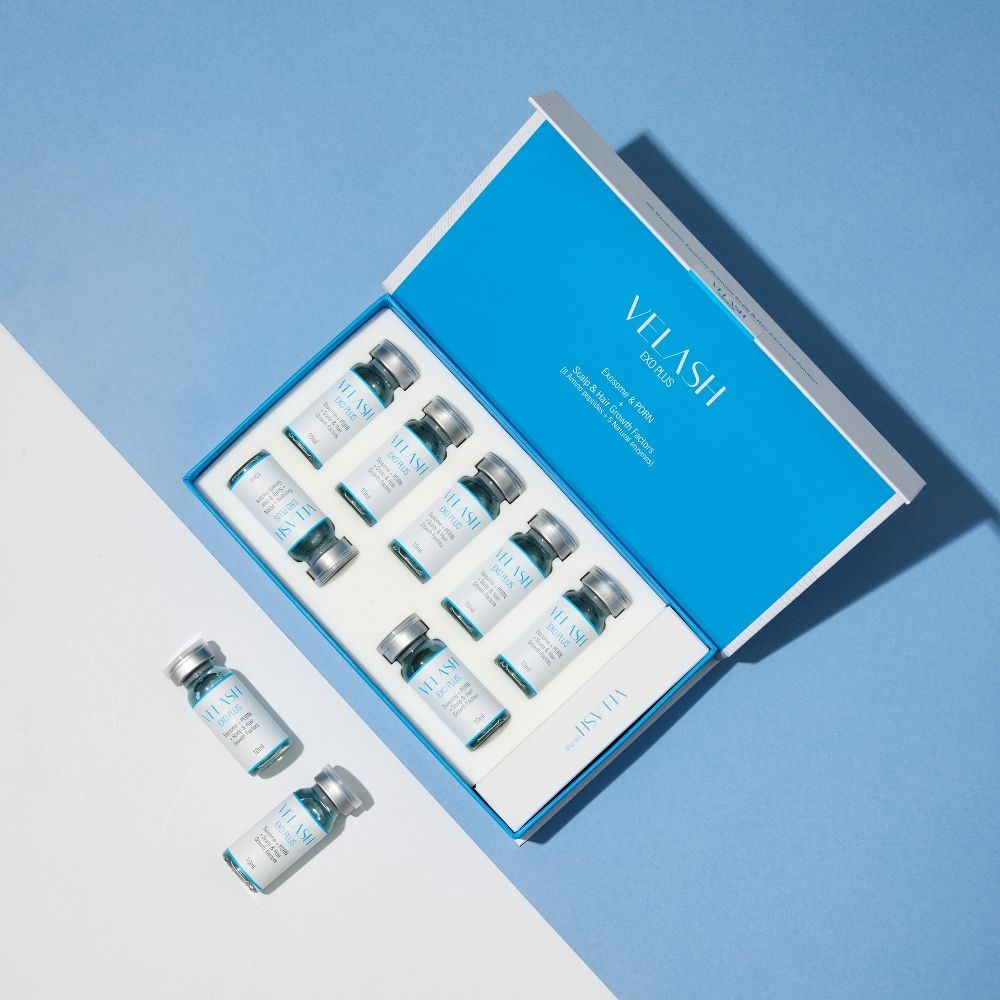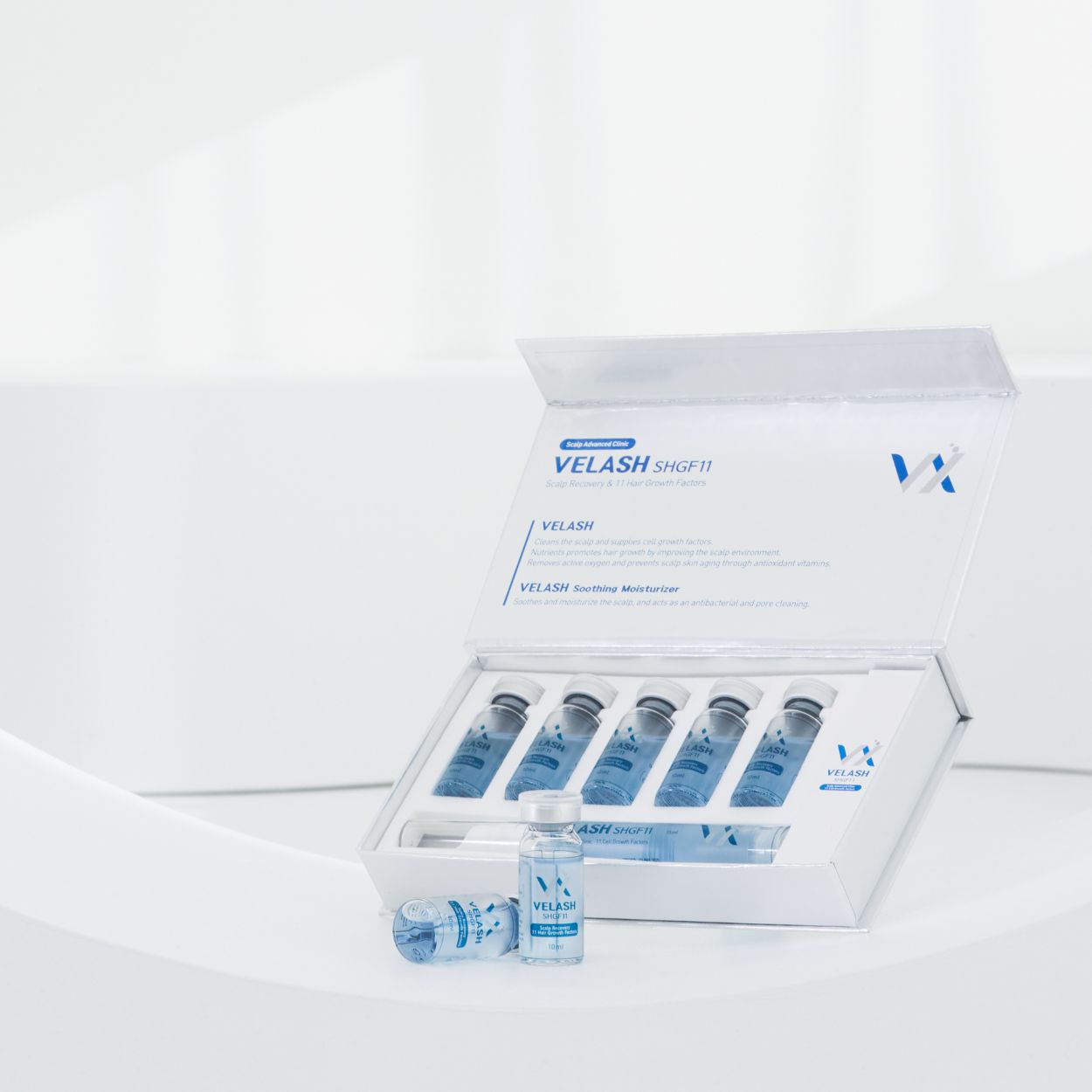
Skin boosters have moved from being an occasional add-on treatment to a core component of many aesthetic clinics' service menus. As formulations have diversified — from PDRN-based products to exosome and growth factor complexes — clinics have developed more structured approaches to incorporating these treatments into their broader protocols. This article outlines the common patterns observed across clinics currently working with these product categories.
Skin boosters are typically positioned between two categories that clinics already offer: topical skincare and injectable procedures such as neuromodulators or dermal fillers. Unlike topicals, skin boosters are delivered via microinjection, allowing active ingredients to reach the dermal layer directly. Unlike fillers, their primary function is not volumization but rather improving skin quality — hydration, elasticity, and overall texture.
This positioning makes skin boosters a natural entry point for patients who are not yet ready for more visible procedures, as well as a maintenance treatment for patients already undergoing other aesthetic interventions.
As a standalone series. Many clinics introduce skin boosters as a course of 3–4 sessions spaced 2–4 weeks apart, followed by maintenance sessions every 2–3 months. This model is often used for patients presenting with early signs of skin laxity or dullness who are seeking a non-invasive starting point.
Combined with injectable procedures. Clinics frequently schedule skin booster sessions alongside or shortly after neuromodulator or filler appointments, using the booster to address skin quality concerns that volumizing treatments do not target. This combination approach is commonly used in comprehensive rejuvenation protocols.
As post-procedure support. Following more invasive treatments such as laser resurfacing or microneedling, some clinics use PDRN- or growth factor-based boosters to support tissue recovery, given their documented role in wound healing and tissue regeneration.
The specific formulation selected often depends on the primary treatment goal:
Clinics working with multiple formulations often stratify their protocols by patient presentation, using PDRN-forward products for recovery-focused cases and exosome- or growth-factor-based products for general maintenance and prevention.
Clinics that have successfully integrated skin boosters into their service offering tend to set clear expectations at the consultation stage regarding:
This is particularly relevant given that skin boosters are frequently marketed with regenerative or "biostimulating" terminology; clinics that communicate mechanism-based expectations tend to report higher patient satisfaction and retention.
For clinics evaluating new skin booster lines, sourcing decisions typically weigh several factors: certification status (GMP manufacturing, relevant regional registrations such as CPNP), ingredient traceability (particularly for exosome-based products, where the biological source — plant, microbial, or otherwise — should be clearly documented), and the availability of trial quantities that allow clinical evaluation before committing to larger volumes.
This article is intended for informational purposes for aesthetic clinic professionals. Product-specific protocols should be developed in consultation with formulation documentation and applicable local regulatory guidance