What Are Exosomes — And Why Are They Transforming Aesthetic Medicine?
Exosome therapy is rapidly becoming one of the most discussed topics in aesthetic clinics worldwide. But what exactly are exosomes, and why are leading practitioners choosing them over traditional skin boosters?
The Science Behind Exosomes
Exosomes are nano-sized extracellular vesicles — tiny membrane-bound particles naturally secreted by cells as part of the body's intercellular communication system. Measuring between 30 and 150 nanometres in diameter, they are 184 to 462 times smaller than the width of a skin pore, which allows them to penetrate deeply into the dermis and deliver their biological cargo directly to target cells.
Unlike traditional actives that work by providing nutrients or building blocks from the outside, exosomes work by transmitting instructions. They carry a precise payload of microRNAs, messenger RNAs, proteins, growth factors, and lipids — biological signals that tell recipient cells what to do and how to behave. In the context of skin and hair, this means signalling fibroblasts to produce more collagen, directing stem cells to activate, reducing inflammation at the cellular level, and initiating the repair of damaged tissue.
This mechanism of action — cellular signalling rather than surface-level nutrition — is what separates exosome therapy from conventional skin boosters and makes it one of the most scientifically compelling approaches in modern aesthetic medicine.
Plant-Derived Exosomes vs. Stem Cell Exosomes
Exosomes used in aesthetic medicine are derived from two primary sources: human stem cells and plants. While both deliver bioactive signals, plant-derived exosomes have gained significant traction in clinical practice for several important reasons.
Plant-derived exosomes — extracted from sources such as red ginseng, centella asiatica (cica), camellia japonica, carrot, and leuconostoc — offer a highly consistent, scalable, and regulation-friendly alternative to stem cell-derived exosomes. Because they are not derived from human or animal cells, they carry significantly lower regulatory risk and are more straightforwardly compliant with cosmetic regulations in the EU, UK, UAE, and Southeast Asia.
Critically, plant-derived exosomes have been shown to carry bioactive microRNAs and proteins that are cross-compatible with human skin biology — meaning the cellular signals they deliver are recognised and acted upon by human skin cells despite their botanical origin. Red ginseng exosomes, for example, have been studied for their anti-inflammatory and collagen-stimulating properties. Centella asiatica exosomes carry signals associated with wound healing and barrier repair. Camellia exosomes have demonstrated antioxidant activity and support for skin hydration.
The most advanced clinical formulations now combine multiple plant-derived exosome sources — creating a multi-signal complex that addresses skin ageing through several biological pathways simultaneously rather than targeting a single mechanism.
What Exosomes Do in the Skin
When delivered into the dermis via mesotherapy, micro-needling, or injection, exosomes interact with local skin cells through several established mechanisms:
Fibroblast Activation
Exosomes deliver growth factors and microRNAs that directly stimulate fibroblasts — the cells responsible for producing collagen, elastin, and hyaluronic acid. This leads to measurable increases in dermal density and a visible improvement in skin firmness over a structured treatment course.
Reduction of Inflammation
Chronic low-grade inflammation is one of the primary drivers of skin ageing — a process increasingly referred to as "inflammaging." Exosomes carry anti-inflammatory microRNAs and cytokine-modulating proteins that actively reduce pro-inflammatory signalling within the dermis, creating an environment more conducive to repair and regeneration.
Stem Cell Activation
Exosomes have been shown to interact with epidermal stem cells, stimulating their differentiation and proliferation. This supports the renewal of the epidermal layer and contributes to improvements in skin texture, tone, and overall quality.
Barrier Reinforcement
Exosomes carry lipid components that support the integrity of the skin's barrier — improving transepidermal water retention, reducing sensitivity, and enhancing the skin's ability to withstand environmental stressors.
Antioxidant Defence
The microRNA and protein cargo of plant-derived exosomes has been shown to upregulate the skin's endogenous antioxidant defence systems — reducing oxidative damage from UV exposure, pollution, and metabolic processes.
Exosomes in Combination Protocols
One of the most significant clinical advantages of exosome-based skin boosters is their compatibility with other active ingredients. In advanced formulations, exosomes are combined with complementary actives to create multi-pathway treatment protocols:
Exosome + PDRN — Combining exosomal cellular signals with PDRN's purinergic receptor activation creates a powerful synergy: exosomes direct cells to repair and regenerate, while PDRN provides the biological scaffolding and vascular support needed to sustain that process.
Exosome + NAD+/NMN — NAD+ and NMN address cellular energy decline — one of the root causes of skin ageing that exosomes alone do not target. Together, they provide both the energy supply and the directional signals needed for comprehensive cellular renewal.
Exosome + Growth Factors — Combining exosomal microRNAs with targeted growth factor complexes amplifies fibroblast stimulation, collagen synthesis, and tissue repair across multiple receptor pathways simultaneously.
Exosome + Collagen Peptides — Exosomes activate the cells that produce collagen, while peptides provide the amino acid building blocks those cells need — a logical and clinically effective combination.
Clinical Applications
Exosome-based skin boosters are increasingly being integrated into clinic protocols for:
Skin rejuvenation and anti-ageing — reducing fine lines, improving skin texture, and restoring radiance
Post-procedure recovery — accelerating healing and reducing downtime after laser, peeling, and ablative treatments
Hyperpigmentation and uneven tone — reducing inflammation-driven pigmentation and supporting a more even complexion
Acne scarring — stimulating tissue repair and collagen remodelling in post-acne skin
Hair loss and scalp health — delivering follicle-activating signals directly to the scalp microenvironment
Sensitive and compromised skin — reinforcing barrier function and reducing chronic inflammation
What to Look for in an Exosome Skin Booster
Not all exosome products are equal. When evaluating exosome-based boosters for clinical use, practitioners should consider:
Source and purity — high-purity, plant-derived exosomes with documented extraction methodology
Concentration — clinically meaningful concentrations, typically expressed in particle count or milligrams per vial
Formulation format — freeze-dried (lyophilised) powder offers superior stability and shelf life compared to liquid formulations
Manufacturing standards — GMP-certified production under recognised international standards (Korea MFDS, ISO 22716, CPNP)
Combination actives — whether complementary ingredients such as PDRN, NAD+, or peptides have been included to amplify results
The Future of Exosome Therapy
Exosome research is advancing rapidly. Studies are increasingly documenting measurable outcomes in collagen density, inflammation markers, and skin hydration following exosome-based treatments — moving the field from theoretical promise toward evidence-based clinical practice.
As manufacturing technology improves and regulatory frameworks mature, exosome-based skin boosters are positioned to become a standard component of advanced aesthetic clinic protocols — not a niche innovation, but a foundational approach to cellular-level skin renewal.
For clinics looking to differentiate their offering and deliver measurable, biologically grounded results to their clients, exosome therapy represents one of the most compelling developments in aesthetic medicine today.
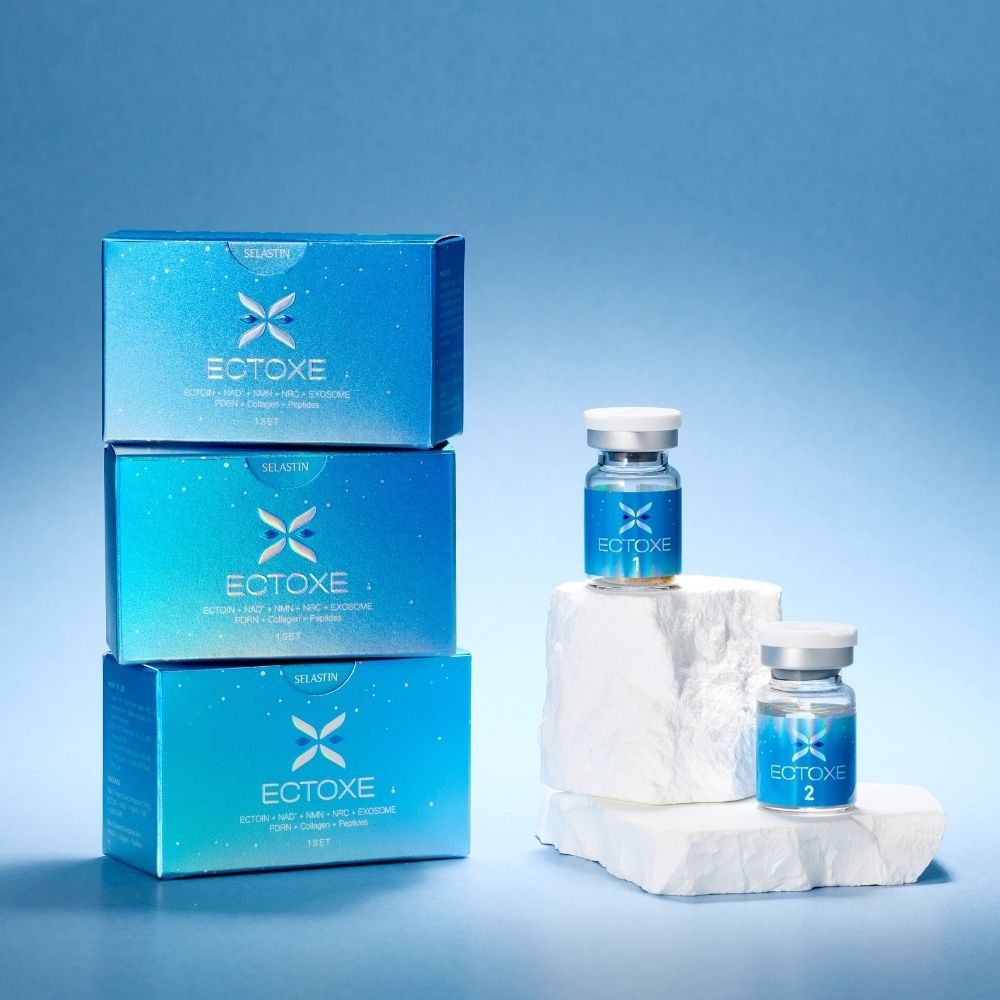
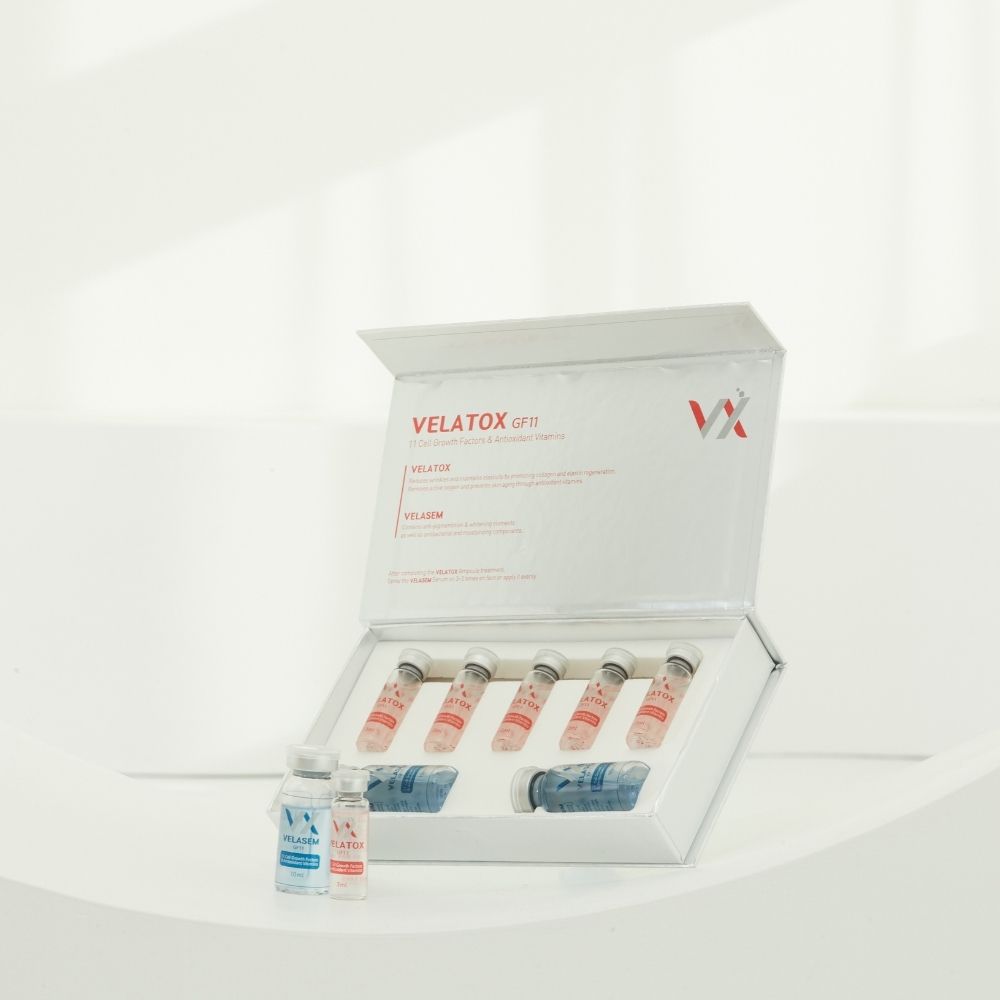
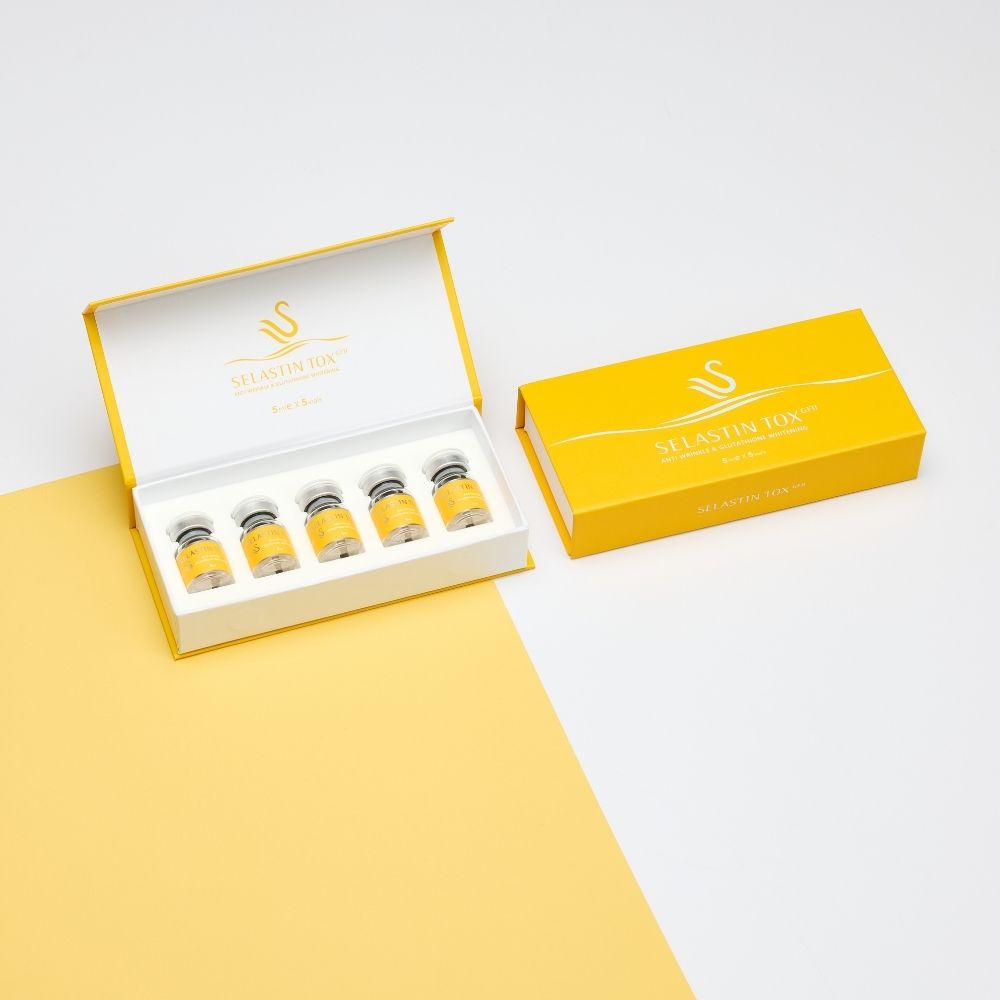
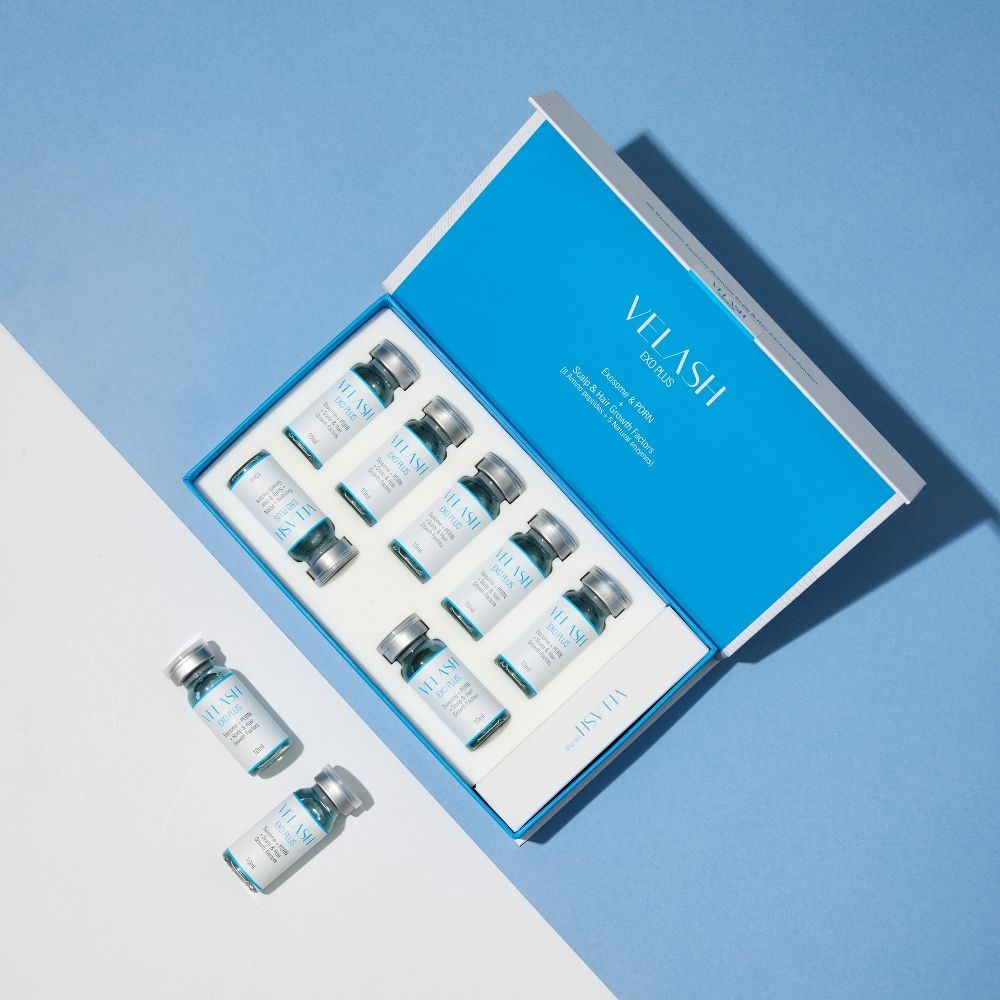
Exomedishop supplies GMP-certified, plant-derived exosome skin and hair boosters directly to aesthetic clinics and distributors worldwide. No minimum order quantity on trial supply. Contact us via WhatsApp or email for product information and B2B pricing.